Metaphor: ReFantazio is Atlus's bold step beyond modern Japan into full fantasy—yet it carries every ounce of Persona DNA in social systems, calendar pressure, and stylish turn-based combat. Directed by Katsura Hashino, the creative force behind Persona 3, 4, and 5, this epic follows a royal candidate racing to save the United Kingdom of Euchronia from magical tyranny while winning an election that determines the nation's soul. If you want a complete Metaphor ReFantazio review covering Archetype combat, Follower bonds, dungeon design, political storytelling, and whether it rivals Persona 5 in 2025, this guide has you covered.
The game arrived in October 2024 to critical acclaim, proving Atlus can transplant its formula into fantasy without losing identity. It is long, stylish, politically charged, and unapologetically JRPG in an era chasing open-world action.
What Is Metaphor ReFantazio?
Metaphor: ReFantazio is a single-player turn-based JRPG developed by Studio Zero and published by Sega/Atlus. You play a Elderly Member's son (customizable name and appearance) thrust into a royal tournament after the king is assassinated. Candidates compete to become the next monarch while confronting prejudice, class inequality, and supernatural corruption.
Official screenshot — Atlus (Steam)
The structure mirrors Persona: daily calendar management, social bonds, dungeon crawling, and deadline crises. Fantasy races—humans, elves, beastmen, and others—replace high school archetypes, but the rhythm feels familiar to Atlus veterans.
Available on PC, PlayStation, and Xbox platforms at launch.
Turn-Based Combat and Archetype System
Combat evolves Persona's Persona fusion into Archetypes—job-like classes inherited from legendary heroes. Party members equip Archetypes with unique skill trees, weaknesses, and synergies.
Archetype Fusion and Party Builds
Archetypes cover classic RPG roles: warrior, mage, healer, rogue, and exotic fantasy classes unlocked through progression and story. Archetype inheritance lets characters learn skills across classes, enabling deep buildcraft for bosses and optional super-bosses.
Weakness exploitation, buffs, debuffs, and Baton Pass-style turn acceleration return with refinements. Combat animations are flashy—Studio Zero prioritized spectacle without sacrificing tactical clarity.
Dungeon Design and Gauntlet Runs
Dungeons called gauntlets mix combat rooms, puzzles, and stealth segments. Difficulty spikes encourage preparation—crafting items, optimizing Archetypes, and completing Follower bonds for combat bonuses.
Boss fights test build synergy and pattern recognition. Major story bosses carry narrative weight; optional hunts reward legendary gear.
Story, Politics, and Social Systems
Metaphor's narrative tackles classism, racism, religious hypocrisy, and propaganda through fantasy allegory. The election framework gives urgency—campaign days tick down, public support shifts, and rival candidates embody ideological extremes.
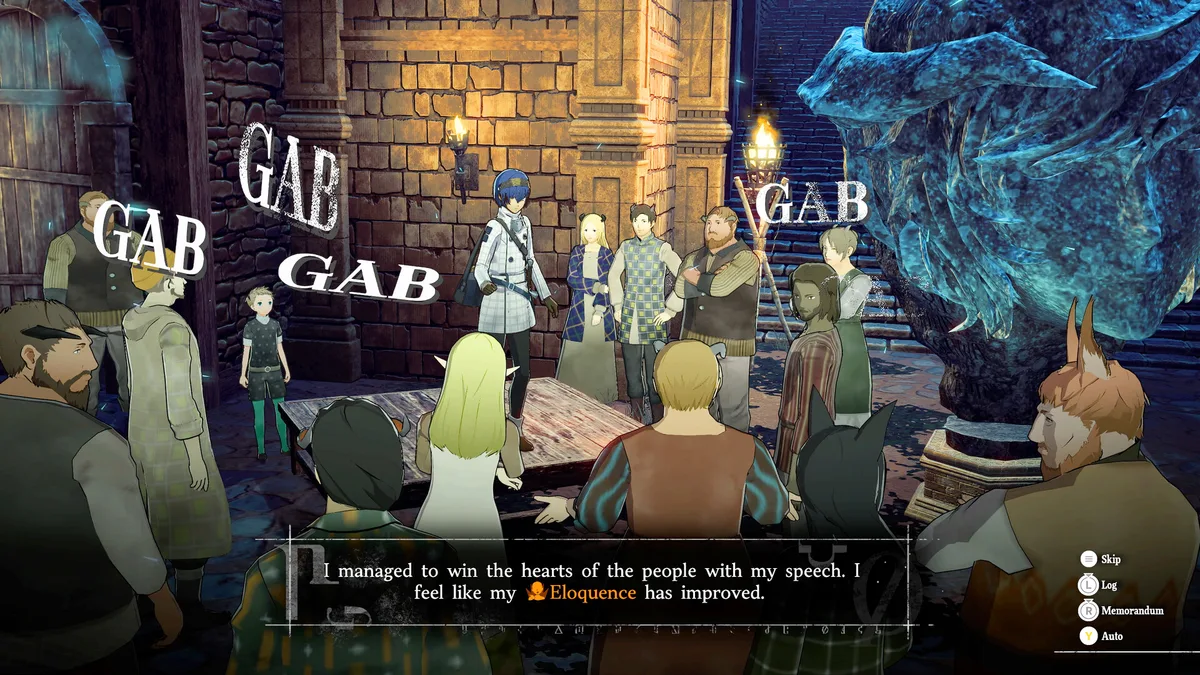
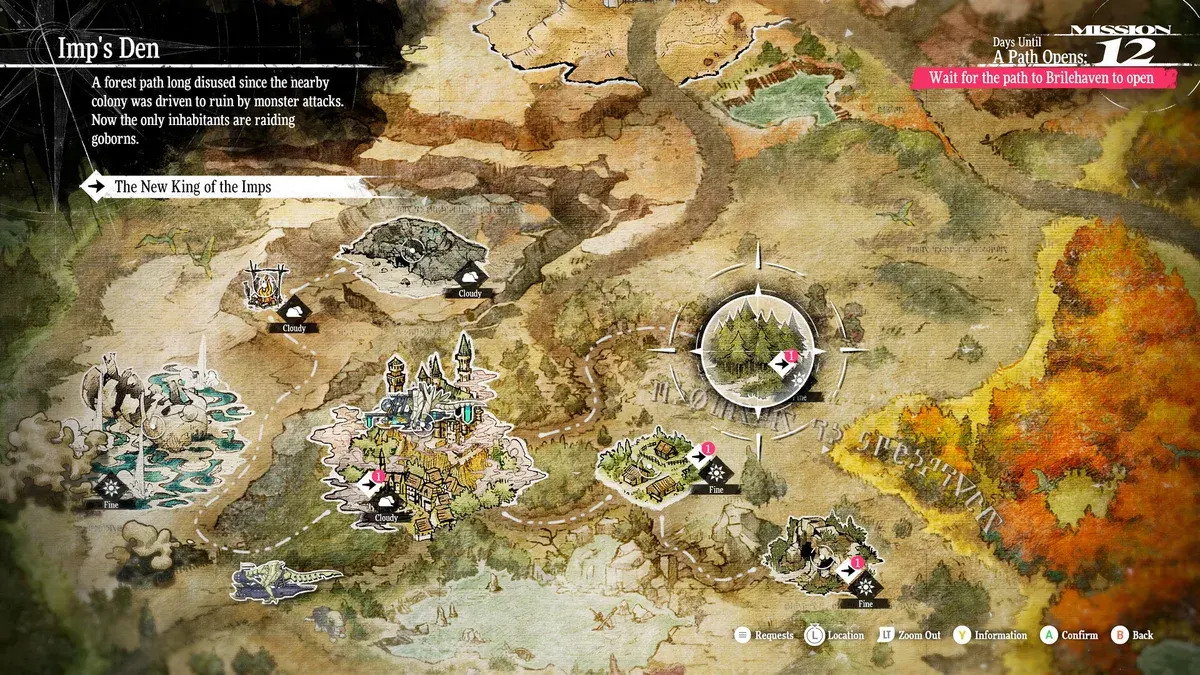
World and exploration — Atlus (Steam)
Followers and Bond System
Followers replace Persona's Confidants. Building bonds unlocks Archetype perks, story scenes, and political influence. Characters represent marginalized groups and power structures—writing is mature without feeling preachy.
Bond scenes are voiced and animated with high production values. Neglecting Followers weakens both narrative payoff and combat utility—a classic Atlus incentive loop.
Calendar Pressure and Time Management
Each day divides into day and night activities: dungeons, bond hangouts, shopping, and rest. Missable deadlines create Persona-style anxiety—planning routes efficiently becomes part of mastery.
The election plot escalates toward multiple endings influenced by support levels, choices, and optional quest completion.
Art Direction, Music, and UI Flair
Metaphor is visually arresting. Shigenori Soejima's character designs blend renaissance portraiture with anime boldness. UI menus mimic fantasy tarot cards and stained glass—every screen feels authored.
Shoji Meguro's score mixes choral grandeur, rock, and unsettling dungeon themes. Battle tracks escalate energy; town themes encourage exploration.
Performance and Platform Notes
The game runs well on PS5 and Series X at 60 FPS in many areas. PC supports high frame rates with occasional stutter in dense towns. Load times are reasonable; fast travel mitigates backtracking fatigue.
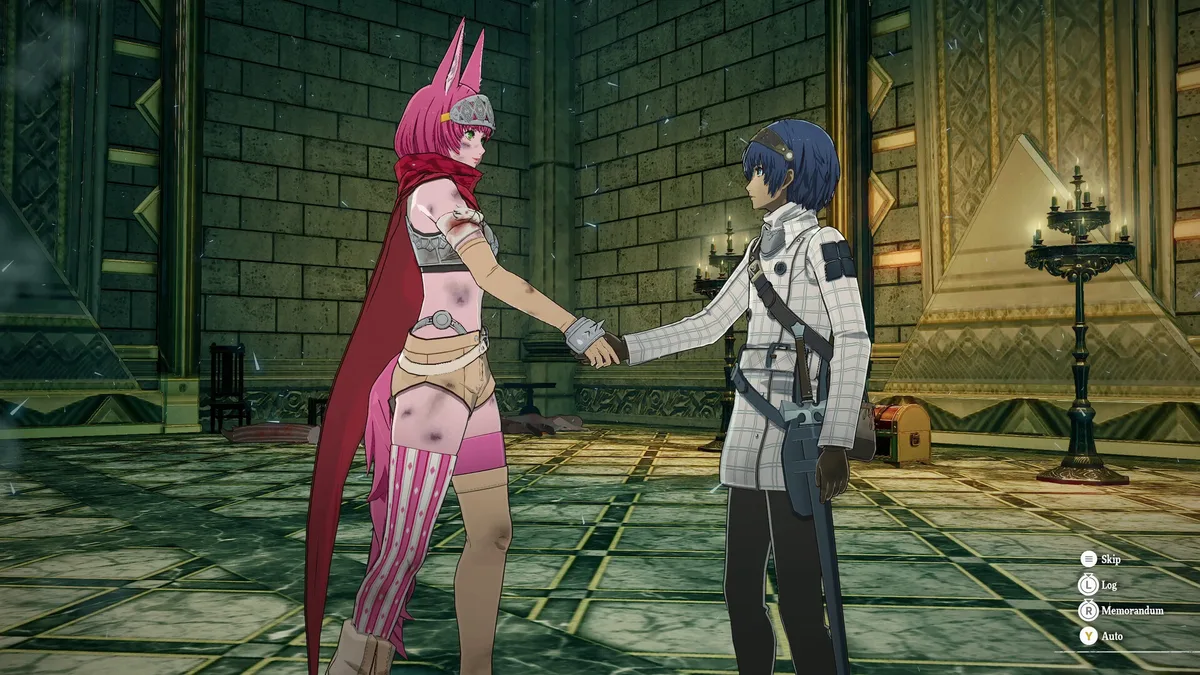
Systems and performance — Atlus (Steam)
Pros and Cons
Pros
- Exceptional art, music, and UI presentation
- Deep Archetype system rewards build experimentation
- Mature political story with timely themes
- Follower bonds rival Persona's best character writing
- Stylish turn-based combat with tactical depth
- 80+ hours of content for completionists
- Strong performance on consoles
Cons
- Calendar structure may stress casual players
- Pacing sags in mid-game political repetition
- Dungeon layouts occasionally feel formulaic
- Persona formula may feel derivative to Atlus veterans
- Long runtime demands significant time investment
- Some voice acting uneven in secondary NPCs
Who Should Buy Metaphor ReFantazio?
Buy if you love Persona, turn-based JRPGs, or narrative games with social simulation layers.
Consider carefully if you dislike calendar deadlines or 80-hour campaigns.
Skip if you demand real-time action or dislike anime aesthetics.
FAQ
Is Metaphor ReFantazio like Persona?
Yes—calendar, bonds, turn-based combat, and stylish presentation. Setting is fantasy election drama instead of high school.
How long is Metaphor ReFantazio?
Main story 60–70 hours. Completion 90–100+ hours.
Do I need to play Persona first?
No. Metaphor stands alone.
Is there romance?
Follower relationships include deep bonds; romance elements exist within Atlus's typical framing.
Is Metaphor harder than Persona 5?
Comparable on normal difficulty. Hard modes and optional bosses challenge veterans.
Is it on Game Pass?
Check current subscription availability—launch platforms included Xbox.
Verdict
Metaphor: ReFantazio is Atlus at full strength—politically sharp, mechanically deep, and visually unforgettable. It does not reinvent the studio formula, but executes it with fantasy ambition and narrative courage.
NexReview Score: 9/10
JRPG fans should prioritize this. See our Clair Obscur Expedition 33 review for another 2025 turn-based standout.
Score Breakdown
| Category | Score |
|---|---|
| Combat | 9/10 |
| Story and themes | 9.5/10 |
| Characters (Followers) | 9.5/10 |
| Art and music | 10/10 |
| Pacing | 7.5/10 |
| Performance | 8.5/10 |
| Overall | 9/10 |
System Requirements Overview (PC)
| Component | Minimum | Recommended |
|---|---|---|
| GPU | GTX 1650 | RTX 3060 |
| CPU | Quad-Core | Six-Core |
| RAM | 8 GB | 16 GB |
| Storage | 50 GB SSD | 50 GB SSD |
Atlus RPG Comparison
| Game | Setting | Hook | Length |
|---|---|---|---|
| Persona 5 | Modern Tokyo | Heists | ~100 hrs |
| Metaphor ReFantazio | Fantasy kingdom | Election | ~90 hrs |
| Shin Megami Tensei V | Post-apocalyptic | Demons | ~80 hrs |
Metaphor bridges Persona accessibility and SMT thematic darkness.
Archetype Build Guide for New Players
Early-game Archetypes should prioritize versatility over specialization. Warrior and Mage base classes cover physical and magical weaknesses common in opening gauntlets. Unlock Healer support once party size expands—boss fights punish teams without recovery options.
Archetype inheritance is Metaphor's deepest system. Plan inheritance paths before mid-game deadlines: pass high-cost skills between classes to create hybrid fighters who break boss weaknesses every turn. Online build guides document optimal inheritance trees for hard mode and super-boss attempts.
Endgame Archetypes unlock after major story milestones. Reserve calendar days for grinding levels before attempting final gauntlet waves—under-leveled parties fail more from stat deficits than tactical errors.
Political Themes and Real-World Resonance
Metaphor's election narrative allegorizes propaganda, racial prejudice, and class inequality through fantasy races. The game asks whether reform is possible within corrupt institutions or requires revolutionary upheaval. Candidates embody compromise, extremism, and idealism—players vote through actions as much as ballots.
This thematic ambition elevates Metaphor beyond escapist fantasy. Mature audiences appreciate writing that challenges comfort without lecturing. Classroom and streaming discussions frequently compare Metaphor's politics to contemporary elections—a sign of cultural relevance rare in JRPGs.
Calendar Management Strategies
Efficient calendars maximize bond ranks before story deadlines:
- Prioritize Followers tied to upcoming gauntlets — combat bonuses matter more than cosmetic scenes.
- Complete mandatory story missions first — soft locks prevent wasted days.
- Use travel shortcuts — fast travel unlocks reduce dead time between hubs.
- Save before election milestones — branching consequences reward informed decisions.
- Accept imperfect schedules — first playthroughs rarely max every bond; New Game Plus exists for completionists.
DLC and Post-Launch Content Expectations
Atlus historically supports Persona and SMT titles with costume DLC, difficulty modes, and occasional story expansions. Monitor official announcements for Metaphor updates—base game content is substantial, but fans expect quality-of-life patches and potential challenge content.
Visual and UI Design Excellence
Metaphor's interface treats menus as art objects. Tarot-inspired layouts, animated transitions, and typography choices reinforce fantasy royalty aesthetics without sacrificing usability. Battle UI communicates weakness chains, turn order, and combo opportunities clearly despite visual flair.
Character designs by Shigenori Soejima translate beautifully to 3D exploration and battle models. Fashion and armor customization let players personalize party appearance—a small touch that increases attachment during 80-hour campaigns.
Music and Battle Theme Highlights
Shoji Meguro delivers genre-spanning tracks: operatic battle themes, dungeon ambience with unsettling choral layers, and town music encouraging exploration between deadlines. Battle tracks escalate dynamically in boss encounters—a signature Atlus technique refined over decades.
Fans compare Metaphor's soundtrack favorably to Persona 5's iconic score. Whether it surpasses Persona is subjective; that comparison happens at all signals quality.
Follower Bond Priority Guide
Players with limited calendar time should prioritize Followers granting combat abilities used in upcoming gauntlets. Narrative-focused players should chase characters whose personal stories resonate—political allegories land harder when bond scenes are fully unlocked.
Maximum bond ranks unlock ultimate Archetype abilities and influence election outcomes. Missing deadlines locks content until New Game Plus—plan accordingly using in-game calendar warnings.
Is Metaphor Better Than Persona 5?
The debate dominates JRPG forums. Persona 5 offers modern setting intimacy and heist structure; Metaphor delivers fantasy grandeur and political allegory. Combat depth favors Metaphor's Archetype system; social simulation familiarity favors Persona's school calendar.
NexReview's position: both are essential Atlus experiences. Start with whichever setting appeals—modern Tokyo or fantasy election—and play the other afterward.
Gauntlet Difficulty and Grinding Tips
When gauntlets spike in difficulty, revisit earlier regions for optional encounters and bond scenes that grant experience bonuses. Craft consumables before boss rushes—items are not crutches but safety nets for learning patterns.
Hard mode demands weakness exploitation every encounter. Scan enemy affinities before battles; Metaphor rewards preparation more than reflexes.
Metaphor ReFantazio proves Atlus can reinvent its formula without abandoning identity. The election may end, but the throne it claims in JRPG history is secure.
Quick Answers for Buyers
- Persona fan? Immediate purchase recommended.
- Hate deadlines? Enable easy mode and follow calendar guides.
- Best platform? PC for frame rate; consoles for living room comfort.
- Voice language? Japanese and English tracks available—preference varies.
- Length concern? 60+ hours minimum—commit before starting.
Mobile-Friendly Reading Note
This review uses scannable headings, tables, and FAQ blocks for readers researching JRPG purchases on mobile devices. Bookmark key sections like Archetype tips and calendar strategies for in-game reference.
Final Recommendation
Vote with your time—Metaphor: ReFantazio earns every hour through bonds, battles, and a story that asks who deserves to lead. Atlus proves fantasy can feel as urgent as exam season ever did.
Bottom line: The throne is won through empathy as much as strength. This is 2025's essential JRPG for Persona faithful and newcomers alike.