Final Fantasy XVI is Square Enix's most aggressive reinvention of its flagship franchise in decades—a dark, political action RPG built around Clive Rosfield, Eikon warfare, and a story that treats fantasy nations like chess pieces in a war for survival. Produced under the influence of Naoki Yoshida and developed by Creative Business Unit III, the game swaps turn-based tradition for Devil May Cry–inspired real-time combat while retaining the epic scale Final Fantasy fans expect. If you want a complete Final Fantasy XVI review covering combat depth, narrative ambition, Eikon boss battles, the September 2024 PC port, and whether it holds up against 2025's RPG lineup, this guide has everything you need before buying.
The PS5 launch in June 2023 divided longtime fans. Some mourned the loss of party-based turn combat; others celebrated a mature, focused story with spectacle that rivals blockbusters. By the time the PC port arrived in September 2024, patches had refined performance and quality-of-life features—making 2025 an excellent moment to evaluate the complete package.
What Is Final Fantasy XVI?
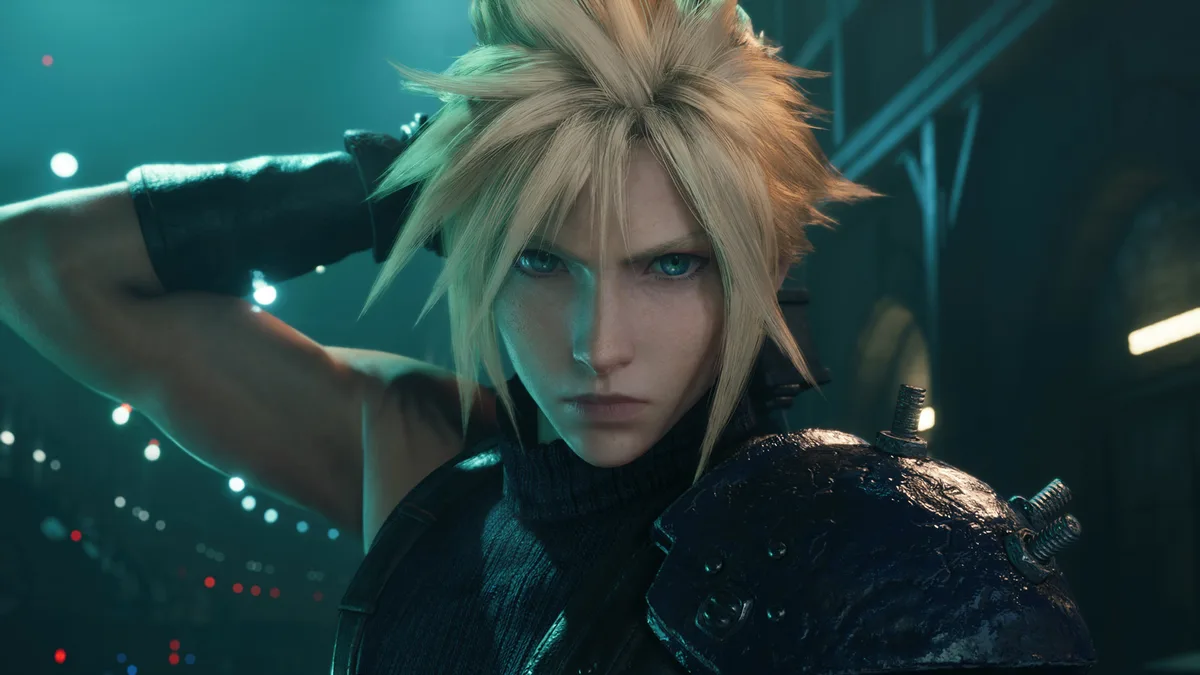
Final Fantasy XVI is a single-player action RPG developed and published by Square Enix. Set on the continent of Valisthea, where civilization depends on Mothercrystals that channel magical aether, the game follows Clive Rosfield across decades of personal tragedy and continental war. Eikons—godlike summons tied to elemental powers—are wielded by Dominants, humans who can transform into these titans at catastrophic cost.
Official screenshot — Square Enix (Steam)
The structure blends linear story chapters with semi-open hub regions (the Contoured Fields, Dhalmekia, Waloed, and more). Side quests, hunts, and optional dungeons flesh out lore without the overwhelming map density of modern open-world RPGs. Combat is entirely real-time: no ATB, no party menus mid-fight—just Clive's sword, magic, Eikon abilities, and perfectly timed dodges.
Originally a PS5 exclusive, Final Fantasy XVI launched on PC in September 2024 with DLSS, FSR, ultrawide support, and expanded graphics settings. PlayStation remains the reference platform for DualSense haptic features, but PC is now the best option for high frame rates and mod potential.
Combat System and Clive's Arsenal
Combat direction by Ryota Suzuki (Devil May Cry series) shows in every encounter. Final Fantasy XVI plays like a character action game wearing JRPG cosmetics—and that is largely a compliment.
Core Mechanics: Strikes, Magic, and Eikon Powers
Clive's moveset expands throughout the campaign. Basic Strike combos chain light and heavy attacks. Magic slots fill with elemental spells acquired from story progress and side content—Fire, Ice, Lightning, and more can be swapped on the fly to exploit enemy weaknesses.
Eikon abilities function as cooldown-based super skills drawn from defeated or allied Eikons: Phoenix shift dodges, Titan earth slams, Garuda wind pulls. The system encourages aggressive play—damage builds Limit Break meters that unleash devastating finishers. Precision Dodging slows time briefly and opens counter windows, rewarding mastery without mandatory frame-perfect demands on normal difficulty.
Abilities, Upgrades, and Build Customization
The Abilities menu uses ability points earned from combat and quests. Players invest in new techniques, combo extensions, and passive buffs. Respec is available, so experimentation is low-risk. Builds skew toward:
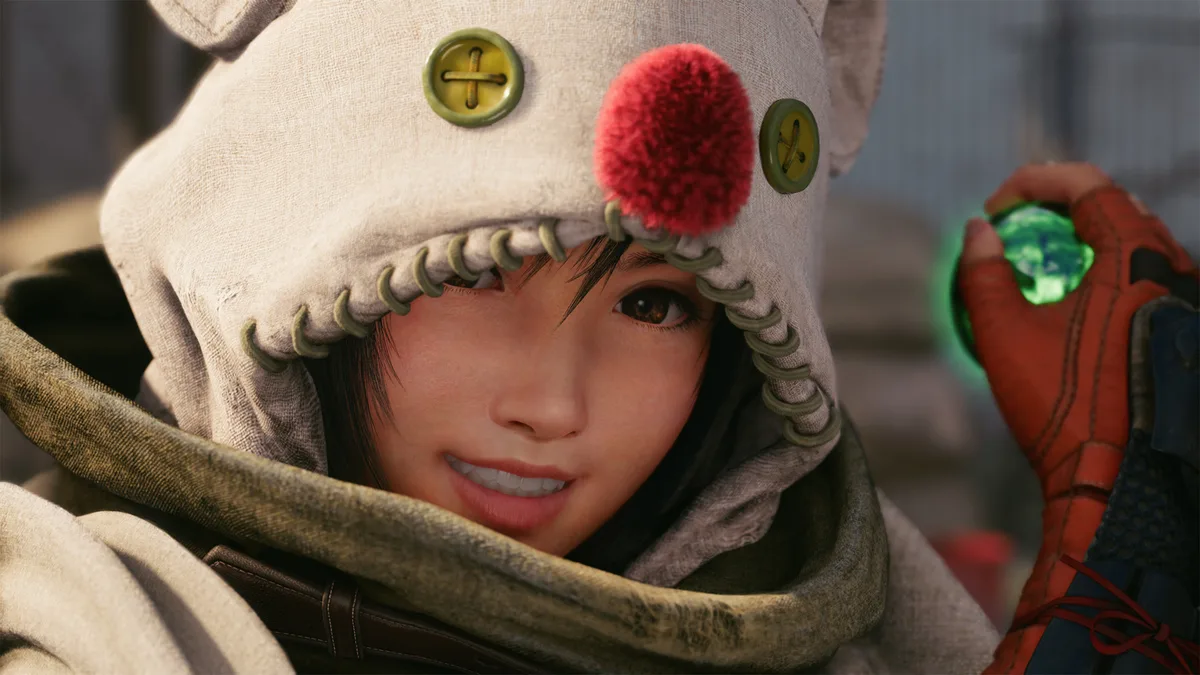
World and exploration — Square Enix (Steam)
- Melee rushdown — maximize Strike combos and Titan/Garuda closers
- Magic specialist — extend spell chains and elemental detonations
- Balanced Eikon hybrid — rotate cooldowns for sustained burst
Unlike deep CRPG stat spreadsheets, customization is action-game elegant. Choices matter for hunt efficiency and optional challenge modes, but story mode remains accessible.
Hunt Marks and Optional Boss Design
Hunt marks—bounty-style optional bosses—test build optimization. Multi-phase fights introduce unique mechanics: barrier phases, add waves, and enrage timers. These encounters are Final Fantasy XVI at its mechanical best, bridging Souls-like pattern recognition with action-game tempo.
Regular enemy encounters can feel repetitive in open zones—common criticism at launch—but boss design consistently delivers highlights.
Eikon Battles and Spectacle
If one feature defines this Final Fantasy XVI review conversation, it is Eikon vs. Eikon combat. Dominant transformations and summon clashes are cinematic set pieces rendered as playable sequences—not QTE-only cutscenes.
Dominants and Narrative Weight
Each major Eikon—Ifrit, Phoenix, Shiva, Bahamut, Odin, and others—ties to a Dominant with political and personal stakes. Clive's bond with Ifrit anchors the story; rival Dominants embody national interests. When two Eikons clash, environments crumble and scale shifts from human to kaiju.
These battles mix on-rails spectacle with interactive phases: dodge telegraphed mega-attacks, strike weak points during stagger windows, and trigger story beats through combat success. Fail states are rare—narrative momentum continues—but performance during climax phases affects bonus rewards.
Ifrit, Phoenix, and Clive's Identity
Clive begins as a mundane soldier before inheriting powers that redefine his role in Valisthea's wars. The Ifrit-Phoenix duality mirrors his internal conflict: destruction versus renewal, vengeance versus duty. Eikon abilities unlocked in gameplay reflect story milestones—mechanics and narrative stay synchronized better than many action RPGs manage.
Scale and Technical Achievement
Eikon fights push hardware. Particle effects, destructible scenery, and camera choreography rival AAA blockbusters. On PS5, quality mode targets visual fidelity; performance mode stabilizes frame rates during chaos. PC benefits from DLSS/FSR and unlocked frames, though VRAM demands spike during the largest encounters.
Story, Politics, and Characters
Final Fantasy XVI tells a Game of Thrones–inflected fantasy war story—bleak, violent, and unafraid to kill darlings. Maturity ratings reflect subject matter: slavery, religious exploitation, revenge, and the human cost of Eikon weaponization.
Clive Rosfield's Arc
Clive's journey spans three time periods—youth in Rosaria, young adulthood as a branded slave-soldier, and adult years as a vengeful warrior. The nonlinear structure pays off emotionally when past mysteries connect to present conflicts. Ben Starr's performance (English voice track) carries quiet grief and explosive rage with equal conviction.
Clive is not a cheerful chosen one. He is a traumatized man seeking accountability in a world where gods are leased to kings.
Political Factions and Valisthea
Nations compete for Mothercrystal resources:
- Grand Duchy of Rosaria — Clive's homeland, militarized and devout
- Holy Empire of Sanbreque — expansionist theocracy wielding Bahamut's Dominant
- Dhalmekian Republic — merchant oligarchy with Titan's power
- Kingdom of Waloed — isolationist monarchy tied to Odin
Alliances shift; betrayals land hard. The story critiques how religion and monarchy commodify divine power—Dominants are weapons first, people second.
Supporting Cast Highlights
Joshua Rosfield (Clive's brother, Phoenix's Dominant), Jill Warrick (childhood ally and Shiva's Dominant), Cidolfus Telamon (Cid—mentor, rebel leader, and fan-favorite), and Benedikta Harman (ambitious soldier tied to Garuda) drive emotional throughlines. Anabella Rosfield and Hugo Kupka represent political cruelty and corrupted ambition.
Character writing avoids anime tonal whiplash for most of the campaign. Banter exists but rarely undercuts stakes. Romance is subtle—Clive and Jill's bond develops through shared trauma rather than explicit dating sim mechanics.
World Design and Exploration
Valisthea is not an open-world sandbox. Regions unlock through story progression and connect via world map fast travel and Obelisk checkpoints. Each zone offers main-path linearity with optional branches for treasures, lore items, and hunts.
Hubs, Side Quests, and Pacing
Side quests range from character-focused vignettes to combat challenges. Cid's Hideaway serves as a recurring hub for upgrades, vendor services, and NPC conversations. Pacing accelerates in the final act—some players wish mid-game exploration breathed more—but the tighter structure prevents Ubisoft-style icon fatigue.
Active Time Lore entries unlock during exploration, delivering codex worldbuilding without pausing gameplay. Collectors seeking full Valisthea history will invest hours beyond the main plot.
Hidden Dungeons and Endgame Content
Post-story Final Fantasy mode (New Game Plus variant) and Ultimate Ability unlocks extend replay for combat enthusiasts. The Kairos Gate and Chronolith trials offer challenge-room content testing Eikon mastery. These modes address endgame complaints from launch—though RPG progression depth remains action-game modest.
Music, Voice Acting, and Presentation
Masayoshi Soken (Final Fantasy XIV composer) delivers a score blending orchestral grandeur, heavy metal aggression during Eikon clashes, and melancholic motifs for Clive's quieter moments. "Find the Flame" and "Away" became instant fan favorites—concert tours followed, rare proof of cultural impact.
Voice acting is fully performance-captured for main cast. English and Japanese tracks are both strong; Ben Starr and Kazuya Nakai (Japanese Clive) received widespread praise. Lip-sync prioritizes English; Japanese purists may notice occasional mismatches.
Visual direction leans medieval European fantasy with Hiroyuki Nagamine and Hiroshi Minagawa steering art that avoids generic MMORPG gloss. UI is clean—minimal clutter during combat, readable ability cooldowns.
PC Port Performance (September 2024)
The September 2024 PC release was the definitive technical milestone for evaluating Final Fantasy XVI in 2025.
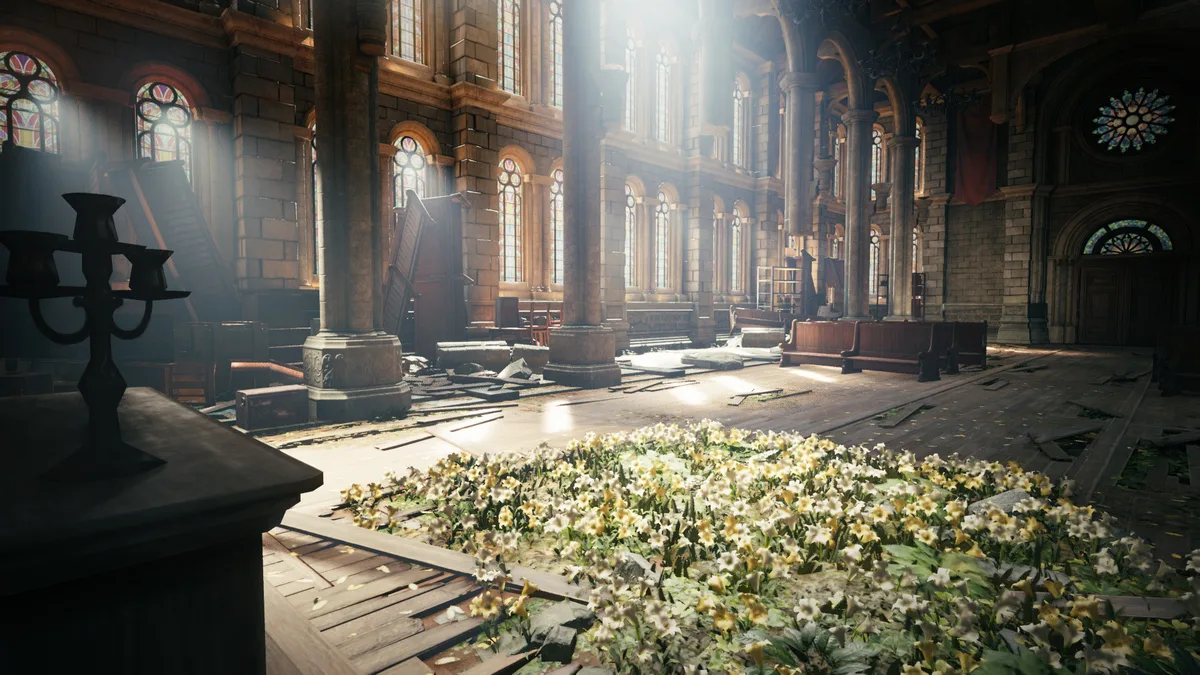
Systems and performance — Square Enix (Steam)
Graphics Settings and Upscalers
PC supports DLSS, FSR, and XeSS, plus ray-traced reflections in supported areas. Ultrawide resolutions and uncapped frame rates benefit high-refresh monitors. Texture quality and shadow options scale for mid-range GPUs.
Launch-day PC performance improved over early previews—Square Enix patched stutter and shader compilation issues post-release. Still, VRAM hunger remains real: 8 GB GPUs struggle at high textures during Eikon fights.
Controller vs. Keyboard
Gamepad is recommended—combat flow assumes analog movement and dodge timing. Keyboard and mouse work with remapping, but most players prefer controller parity with PS5 experience.
Mod Support and Community
Steam Workshop-style official mod tools arrived in limited form; community mods address camera, FOV, and quality-of-life tweaks. PC is the platform of choice for players who want customization.
Pros and Cons
Pros
- Spectacular Eikon boss battles with genuine playable scale
- Mature, focused political story with strong voice performances
- Responsive action combat rewarding dodge timing and build synergy
- Excellent soundtrack by Masayoshi Soken
- Tighter pacing than open-world RPG bloat—respects player time
- PC port adds DLSS, ultrawide, and performance headroom
- Hunt marks and challenge content for action veterans
- No live-service monetization—complete single-player package
Cons
- No traditional party-based Final Fantasy combat—purists may bounce off
- Regular enemy encounters grow repetitive outside bosses
- RPG progression and gear depth shallow versus CRPG competitors
- Side quest quality varies; some feel like filler
- Accessibility options improved but action genre still demands reflexes
- Story tone relentlessly grim—limited humor relief
- Initial PS5 performance issues required patches; PC still VRAM-hungry
Who Should Buy Final Fantasy XVI?
Buy if you love action RPGs, cinematic JRPG stories, Devil May Cry–style combat, or summon spectacle at kaiju scale.
Wait for a sale if you prefer turn-based party combat—consider our Metaphor ReFantazio review for Atlus's fantasy election RPG instead.
Skip if you need deep RPG buildcraft, cheerful tone, or multiplayer—Final Fantasy XVI is a linear action story first.
FAQ
Is Final Fantasy XVI turn-based?
No. Combat is real-time action controlled solely through Clive. No ATB, no party menus in battle.
Do I need to play other Final Fantasy games?
No. XVI is a standalone story set in Valisthea with no required prior knowledge.
How long is Final Fantasy XVI?
Main story takes 35–40 hours. Completion with hunts and side content reaches 55–65 hours. Challenge modes add more for mastery seekers.
When did Final Fantasy XVI come to PC?
The PC port launched September 17, 2024, roughly fifteen months after PS5 release.
Is Final Fantasy XVI on Xbox?
As of 2025, availability remains PlayStation and PC. Check official Square Enix announcements for platform expansions.
Does Final Fantasy XVI have multiplayer?
No. Single-player only.
Is Clive's story complete?
The main narrative resolves Clive's arc. DLC expansion The Rising Tide (2024) adds Leviathan content and supplemental story—not required for core ending satisfaction.
Which platform is best in 2025?
PC for frame rate and settings flexibility; PS5 for DualSense features and plug-and-play stability.
Verdict
Final Fantasy XVI is Square Enix betting big on action—and mostly winning. Clive Rosfield's revenge saga delivers emotional weight, Eikon battles redefine summon spectacle, and combat satisfies players who wanted Final Fantasy to evolve rather than repeat. RPG systems lack the depth of genre leaders, and repetitive fodder fights drag between highlights—but when XVI soars, it soars higher than most 2024 competitors.
The PC port cemented accessibility for new audiences in late 2024. In 2025, with patches applied and prices often discounted, it is the right time to experience Valisthea—especially if action RPGs like Dragon Age: The Veilguard or turn-based epics like Metaphor: ReFantazio left you wanting different flavors of fantasy warfare.
NexReview Score: 8.5/10
Score Breakdown
| Category | Score |
|---|---|
| Combat | 8.5/10 |
| Story and characters | 9/10 |
| Eikon battles / spectacle | 9.5/10 |
| RPG depth | 6.5/10 |
| World design | 7.5/10 |
| Music and presentation | 9/10 |
| PC performance | 8/10 |
| Overall | 8.5/10 |
System Requirements Overview (PC)
| Component | Minimum | Recommended |
|---|---|---|
| GPU | GTX 1660 / RX 5600 XT | RTX 3070 / RX 6700 XT |
| CPU | Intel i5-8400 / Ryzen 5 2600 | Intel i7-8700 / Ryzen 5 5600X |
| RAM | 16 GB | 16 GB |
| Storage | 100 GB SSD | 100 GB SSD |
| VRAM | 6 GB | 8 GB+ |
Eikon encounters benefit from 8 GB VRAM or higher texture settings reduction.
Final Fantasy XVI vs. 2024–2025 RPG Peers
| Game | Combat | Tone | Best for |
|---|---|---|---|
| Final Fantasy XVI | Real-time action | Dark political | Eikon spectacle |
| Metaphor ReFantazio | Turn-based | Hopeful political | JRPG tradition |
| Dragon Age Veilguard | Real-time action | Character drama | Companion bonds |
| Clair Obscur Expedition 33 | Turn-based hybrid | Melancholic art-house | Narrative emotion |
Final Fantasy XVI occupies the action-spectacle quadrant—closest to Veilguard in combat philosophy, opposite Metaphor in mechanics.
Combat Tips for New Players
Mastering Clive's kit transforms repetitive encounters into flow-state combat:
- Precision Dodge everything telegraphed — counter windows deal massive stagger damage.
- Swap magic elements — exploit weaknesses on hunts and elite enemies.
- Weave Eikon cooldowns — rotate Phoenix shift and Titan slam rather than hoarding abilities.
- Upgrade Limit Break passives early — burst damage solves timed hunt objectives.
- Complete side hunts before story spikes — ability points gate power jumps.
On Final Fantasy mode and Chronolith trials, perfect dodges become mandatory—practice during main campaign boss fights.
The Rising Tide DLC Overview
The Rising Tide expansion adds Leviathan Eikon powers, the coastal region of Mysidia, and supplementary story involving Jill and water-Dominant lore. Quality matches base game production; duration is modest (roughly 5–8 hours). New players can complete the main story first; returning players receive meaningful combat additions and emotional epilogue material.
DLC is optional for verdict purposes—the base game stands complete—but fans of Jill and Eikon mythology should prioritize it.
Dominants and Eikon Reference Guide
Understanding Valisthea politics requires knowing who wields which Eikon:
| Eikon | Element | Notable Dominant | Nation |
|---|---|---|---|
| Phoenix | Fire | Joshua Rosfield | Rosaria |
| Ifrit | Fire | Clive Rosfield | — |
| Shiva | Ice | Jill Warrick | Waloed (origin) |
| Titan | Earth | Hugo Kupka | Dhalmekia |
| Garuda | Wind | Benedikta Harman | Sanbreque |
| Bahamut | Light | Dion Lesage | Sanbreque |
| Odin | Dark | Barnabas Tharmr | Waloed |
| Ramuh | Lightning | Syret Tul | Dhalmekia |
| Leviathan | Water | Jill (DLC context) | Mysidia |
Eikon pairings shift through story revelations—avoid spoiling twists for first-time players beyond this table's baseline lore.
Accessibility and Difficulty Options
Square Enix added Story Mode and Action Mode difficulty, plus accessibility toggles for timing assists and damage reduction. Story Mode simplifies dodge windows and enemy aggression—recommended for narrative-first players uncomfortable with action genre demands.
No turn-based fallback exists. Action-averse JRPG fans should honestly assess reflex comfort before purchasing.
Square Enix and Franchise Future
Final Fantasy XVI's success influenced Square Enix's strategy—proving single-player premium titles still move units without gacha mechanics. Producer Naoki Yoshida balanced XVI production with Final Fantasy XIV ongoing duties; sequel speculation persists but unconfirmed.
Whether XVII continues action direction or reunifies turn-based tradition remains industry gossip. XVI itself needs no sequel commitment—the Clive arc concludes.
Value Proposition and Sale Timing
Launch pricing matched AAA standards. By 2025, seasonal Steam and PlayStation sales frequently discount the base game and bundle DLC. PlayStation Plus and PC subscription availability fluctuates—check current catalogs before full-price purchase.
Compared to 80-hour open-world RPGs, XVI's 35–40 hour core campaign offers efficient blockbuster density—strong value for time-limited players.
Quick Answers for Buyers
- Turn-based fan? Try Metaphor ReFantazio first; reconsider XVI if action combat appeals after.
- Best platform? PC for performance; PS5 for haptics.
- Need FF history? No—standalone entry.
- Grim story OK? Required—little comedic relief.
- Worth it in 2025? Yes—patches and PC port matured the experience.
Mobile-Friendly Reading Note
This review uses scannable headings, tables, and FAQ blocks for readers researching RPG purchases on mobile devices. Bookmark combat tips and platform notes for quick reference while shopping Steam or PlayStation stores.
Final Recommendation
Final Fantasy XVI asks whether the franchise can survive without turn-based combat—and answers with Eikon fire. Clive Rosfield's journey is bruising, beautiful, and backed by Masayoshi Soken's finest work. RPG depth may disappoint spreadsheet optimizers, but spectacle and story deliver Square Enix at its most ambitious.
For action-first fantasy, XVI belongs in your library alongside BioWare's Dragon Age: The Veilguard. For classic JRPG rhythm, pivot to Atlus's Metaphor: ReFantazio. Either path leads to political fantasy worth discussing long after credits roll.
Bottom line: Valisthea burns hot, hurts deeply, and fights like a blockbuster should. Final Fantasy XVI earns its 8.5/10 through Eikon battles alone—everything else is hard-earned bonus.