Pros
- 6.3-inch Pro body with triple stack and 5x optical telephoto at $999 MSRP
- Pro Res Zoom and Night Sight stay ahead of most $999 rivals for stills
- Built-in Qi2 magnets and cooler Tensor G5 daily thermals
- Seven years of Android updates — rare at this size and price
- 16GB RAM future-proofs on-device Gemini workloads
Cons
- Battery drains faster than capacity bump suggests — plan a midday top-up on heavy days
- 30W wired / 15W Qi2 trail Samsung and Chinese flagships
- US models are eSIM-only — physical-SIM switchers need another phone
- Tensor G5 still loses sustained gaming benchmarks to Snapdragon
Shopping for a pixel 10 pro review that goes past the spec sheet means asking whether Google’s compact Pro still earns $999 after a year on shelves — and whether you should stretch to the XL or save with the base Pixel 10 tier. The Google Pixel 10 Pro is Google’s small flagship: 6.3-inch Super Actua panel, Tensor G5, triple rear cameras with 5x optical telephoto, 16GB RAM, and Qi2 Pixelsnap magnets baked into the frame. It launched August 28, 2025 at $999 for 128GB and competes directly with iPhone 16 Pro sizing, Samsung Galaxy S25 Ultra zoom culture, and upgraders coming off the Pixel 9 Pro.
This pixel 10 pro review covers hardware you touch daily, camera behavior in low light and zoom, AI features that actually save time, charging math, who should buy now versus wait for carrier promos, and who should skip. MSRP and Google Store specs are cited below; confirm current trade-in and financing before checkout.
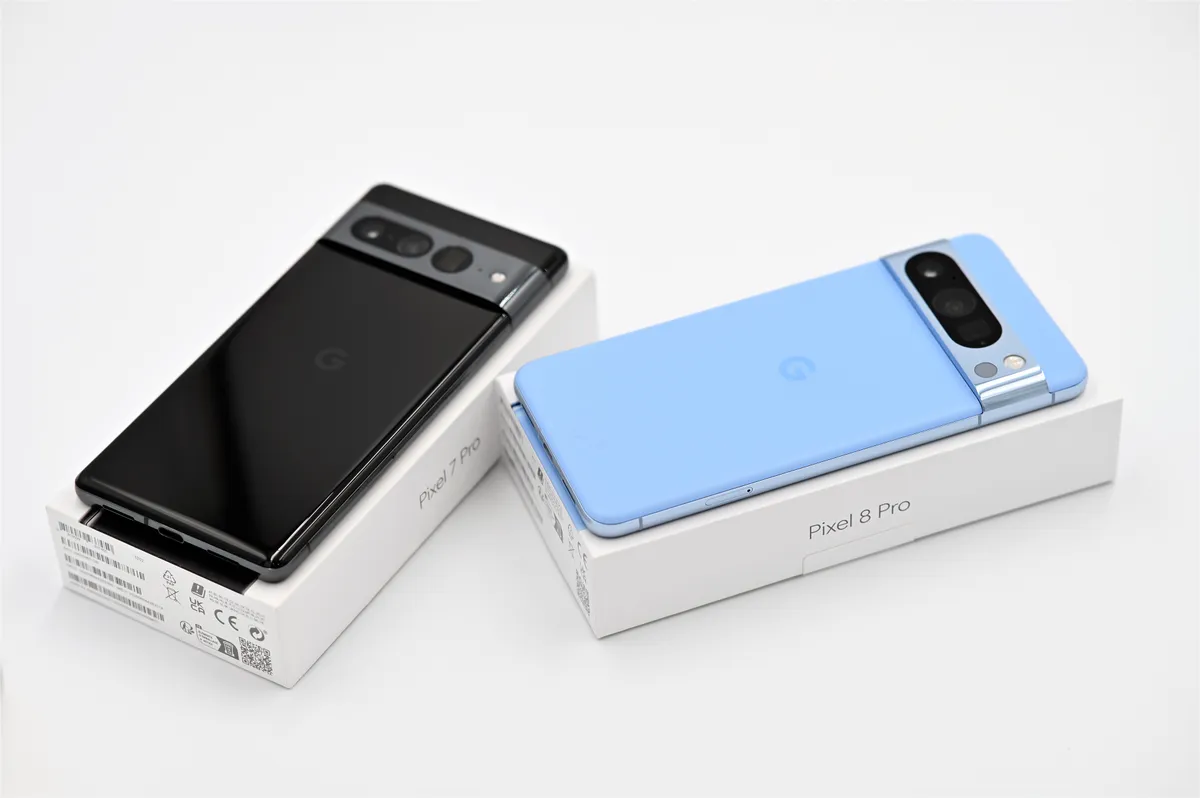
Google Pixel-class smartphone — Wikimedia Commons
Pixel 10 Pro Review at a Glance
| Topic | Pixel 10 Pro (6.3") | Notes for buyers |
|---|---|---|
| MSRP | $999 (128GB) → $1,449 (1TB) | Same launch price as Pixel 9 Pro |
| Chip | Google Tensor G5 (TSMC) | Cooler than older Tensor; AI-first tuning |
| RAM / storage | 16GB; 128–1TB UFS (512GB+ faster Zoned UFS) | Base 128GB only on non-XL Pro |
| Display | 6.3" LTPO OLED, 1280×2856, 1–120Hz, peak ~3300 nits | Super Actua branding |
| Rear cameras | 50MP wide, 48MP UW (macro focus), 48MP 5× tele | Pro Zoom pipeline to 100× digital |
| Selfie | 42MP AF, ultrawide FOV | Strong video call headroom |
| Battery | ~4,870 mAh rated | Google claims 24h+ typical use |
| Wired charge | Up to ~30W USB-C PPS (charger sold separately) | ~55% in ~30 min with 30W+ adapter |
| Wireless | Qi2 Pixelsnap up to 15W | MagSafe-compatible accessory ecosystem |
| Updates | 7 years OS + security | Matches Google’s best promise |
| US SIM | Dual eSIM only | No nano-SIM tray on US units |
| NexReview score | 8.7/10 | Camera + software excel; battery/charge lag |
Editorial stance: Treat the Pixel 10 Pro as the best pocketable Android Pro — not the best brute-force spec sheet. If you want maximum screen and battery, read the XL row on Google’s store; if you want $799 parity, our iPhone 17 vs Pixel 10 comparison is the right fork.
What the Pixel 10 Pro Is (and Is Not)
The Pixel 10 Pro is Google’s premium phone SKU in the 6.3-inch class — the same footprint many people liked on the Pixel 9 Pro, now with Tensor G5, Qi2 magnets, faster storage tiers, and software features like Magic Cue and upgraded Pro Res Zoom. It is not the base Pixel 10 ($799): that phone adds telephoto to the non-Pro line for the first time, but the Pro keeps the brighter panel, Pro camera tuning, and 16GB RAM.
It is also not a gaming phone. Tensor G5’s TPU and ISP improvements matter for Gemini Nano, live HDR+, and zoom fusion — not for winning every 3DMark slot against Snapdragon 8 Elite devices. Know that before you compare frame rates on Galaxy S25 Ultra.
For ecosystem context: Pixel 10 Pro runs Android 16 out of the box (with Pixel feature drops), deep Gemini integration, and the cleanest “stock” Android experience without Samsung or OnePlus skins. Leaving iPhone still means green bubbles; pairing AirPods Pro 2 works but loses Apple’s seamless handoff — a fair tax if photography and Google apps matter more.
Design, Build, and Pixelsnap Qi2
Google refined the horizontal camera bar and satin aluminum frame rather than reinventing the silhouette. Colors at launch include Moonstone, Jade, Porcelain, and Obsidian — porcelain and jade read more “jewelry” than the utilitarian obsidian most reviewers carry.
The headline industrial change is Qi2 Pixelsnap: magnets in the body align with MagSafe-class wallets, stands, and car mounts without a thick adapter case. If you already invested in Qi2 gear for another phone, the Pixel 10 Pro finally stops fighting your desk setup.
Durability: Gorilla Glass Victus 2 on the display, IP68 rating, and the camera bar still acts as a kickstand when you set the phone down screen-first. The bar catches in slim jeans pockets — a Pixel tradition — but it protects lens glass better than flush camera islands.
US eSIM-only: If you swap physical SIMs when traveling or juggle work/personal lines on nano-SIM trays, this generation may force a workflow change. Dual eSIM is fine for many carriers; it is a deal-breaker for a vocal minority. Verify your carrier’s eSIM transfer flow before you trade in.
Dimensions land around 6.0 × 2.8 × 0.3 inches and roughly 7.3 oz — genuinely one-handable compared with 6.8-inch Ultra-class phones.
Display: Super Actua in a 6.3-Inch Shell
The Pixel 10 Pro review praise pile starts with the panel. Google’s Super Actua LTPO OLED runs 1280 × 2856 at 495 ppi, 1–120 Hz adaptive refresh, HDR support, and peak brightness figures that survive sunny sidewalk use (3300 nits peak in marketing terms; ~2200 nits HDR content brightness). Contrast and color calibration remain strengths — still images and UI icons look crisp without the oversaturated “demo mode” some OEMs ship.
Compared with the base Pixel 10 Actua display in our iPhone 17 vs Pixel 10 guide, the Pro panel is sharper and brighter, which matters if you edit photos on-device or read comics at night with dim room lighting.
Always-on display and Smooth Display behave predictably: scrolling social feeds is stutter-free; heavy webpages with embedded video can still hitch — a browser/GPU thing more than a 120Hz failure.
Who wins on paper vs iPhone 16 Pro: Apple still leads some pixel-density and coating tests; Pixel leads peak-brightness marketing and ships Pro features without jumping to 6.7 inches. Tie-break on ecosystem, not nit counts alone.
Tensor G5: Performance, Heat, and Gaming Reality
Tensor G5 is Google’s first fully custom Tensor design manufactured at TSMC, marketed with roughly 34% faster CPU and 60% more powerful TPU versus Tensor G4 — meaningful for on-device AI, less dramatic for everyone chasing Geekbench crowns.
Daily use feels snappier than Pixel 9 Pro: app resume, camera launch, and Gemini summarization respond quickly. Heat management improved — reviewers report less thermal throttling during hotspot and camera sessions than older Pixels that gained a “runs warm” reputation.
Gaming: Titles like Diablo Immortal run fine; ray-tracing showcase games are not the point. If mobile esports at max settings is your identity, Snapdragon flagships and iPhone Pro GPUs still win sustained tests. For Pokemon Go, Stardew, and 30-minute Subway Surfers sessions, Tensor G5 is sufficient.
16GB LPDDR5X RAM is the quiet spec win. It keeps dozens of Chrome tabs alive, supports heavier Gemini on-device models, and gives headroom for seven-year software support without the 8GB iPhone anxiety threads.
Security silicon includes Titan M2, standard for Pixels — fine for most threat models; nation-state paranoia still belongs on GrapheneOS conversations, not this buyer guide.
Pixel 10 Pro Cameras: Hardware vs Computation
On paper, the rear array looks familiar to Pixel 9 Pro owners:
- 50MP wide (ƒ/1.68, 1/1.3″ class sensor, OIS)
- 48MP ultrawide with Macro Focus (ƒ/1.7, 123° FOV)
- 48MP telephoto with 5× optical zoom (ƒ/2.8, OIS)
The upgrade story is pipeline, not just megapixels: Pro Res Zoom pushes usable detail farther into digital range (Google markets up to 100×; sane shooting lives at 10×–30× for social). Multi-zone LDAF, spectral/flicker sensing, and tensor-powered fusion reduce motion blur in marginal light.
Still photos: Pixel still wins consistency — skin tones, sky gradients, and shadow lift without clown-HDR halos. Night Sight remains the benchmark Android OEMs chase; the 10 Pro adds speed and slightly better ultra-wide night parity.
Telephoto: 5× optical is the practical zoom for kids on stage, mountain ridges, and zoo fences. Compare with iPhone 16 Pro’s tetraprism approach in our iPhone 16 Pro review — iPhone wins some video zoom stability; Pixel wins still flexibility for Google Photos editing.
Video: Improved, but not class-leading. Vloggers and pro mobile filmmakers still skew iPhone for log/codec ecosystems; Pixel is excellent for family 4K and casual creators who live in Google Photos.
Selfie: The 42MP front sensor with AF is a real upgrade for group selfies and 4K front video — noticeable if you are upgrading from Pixel 7 Pro or older.

Smartphone photography at night — Wikimedia Commons
AI, Magic Cue, and Seven-Year Software
Google’s differentiation is software plus AI, not spec sheet medals.
Gemini replaces the old Assistant workflow: draft emails from screenshots, circle-to-search, recorder summaries, and on-device Nano tasks when offline policies allow. Useful if you already live in Gmail, Docs, and Photos — less magical if you are privacy-maxxing away from Google accounts.
Magic Cue (and related proactive suggestions) surfacing calendar hints, delivery tracking, and reply nudges can feel brilliant or creepy depending on your notification tolerance. This pixel 10 pro review treats Magic Cue as beta-grade polish: promising, occasionally wrong, improving via Feature Drops.
Call Screen, Hold for Me, Clear Calling, and Circle to Search remain pillars — the “Pixel only” quality-of-life stuff that Samsung clones on a delay.
Update promise: Seven years of Android OS and security updates rivals the best in the industry and beats most 2023 flagships. Long ownership amortizes $999 better than a phone abandoned at three years.
Battery Life and Charging — Honest Math
Google rates ~4,870 mAh (minimum ~4,707 mAh) with “24+ hour” typical life and Extreme Battery Saver stretch goals. Real-world reports after months of use cluster around good but not great: light days end around 50% at bedtime; heavy hotspot, navigation, and 5× zoom days land in the 30s without a top-up.
The capacity bump over Pixel 9 Pro did not fully translate to class-leading endurance — on-device AI, brighter panels, and modem load eat margin. Plan 30W wired (~55% in 30 minutes with Google’s 30W+ PPS adapter) or 15W Qi2 Pixelsnap mid-afternoon if you are a power user.
Compare charging with Samsung Galaxy S25 Ultra and Chinese 100W+ wired champions: Pixel is behind. If overnight charging is your only habit, you will survive; if you need 20-minute half fills between meetings, flag this con.
Pixel 10 Pro vs Pixel 9 Pro — Upgrade or Skip?
Twelve months after launch, the honest upgrade matrix:
| Owner | Verdict |
|---|---|
| Pixel 7 Pro or older | Upgrade — camera, brightness, Qi2, RAM, updates |
| Pixel 8 Pro | Consider — Tensor G5 + Qi2; cameras incremental |
| Pixel 9 Pro | Skip unless you crave magnets, 16GB, or trade-in steals |
| Coming from iPhone 15 Pro | Strong switch for stills + Android cleanliness |
| Base Pixel 10 at $799 | Stay if telephoto at base tier is enough |
Tom’s Guide–style long-term pieces echo this: Pixel 10 Pro is excellent, but 9 Pro owners see diminishing returns. NexReview agrees unless carrier promos invert the math.
Pixel 10 Pro vs iPhone 16 Pro and Galaxy S25 Ultra
vs iPhone 16 Pro: Choose Pixel for computational stills, flexible Google Photos editing, Android openness, and telephoto value at $999. Choose iPhone for video workflows, silicon headroom, and iMessage/FaceTime gravity. Same street size class; different religion.
vs Samsung Galaxy S25 Ultra: Samsung wins stylus, zoom hardware bragging, and multi-window power tricks. Pixel wins pocketability, cleaner OS, and often less duplicate app clutter. Ultra is for spec maximalists; Pixel 10 Pro is for people who hate 7-inch pockets.
Cross-shopping the non-Pro fight? Read iPhone 17 vs Pixel 10 before you assume you need Pro logos.
Who Should Buy the Pixel 10 Pro
Buy if you:
- Want the smallest Google Pro with triple cameras and 5× optical
- Shoot lots of stills, kids, pets, travel — and edit in Google Photos
- Need Qi2 accessories without case adapters
- Value 7-year updates and 16GB RAM for AI-forward Android
- Prefer stock Android and Gemini over Samsung/One UI complexity
Skip if you:
- Need physical SIM in the US
- Chase maximum battery or fastest wired charge
- Are a competitive mobile gamer on max settings
- Already own Pixel 9 Pro and dislike beta AI notifications
- Want best-in-class video for pro mobile cinema

Android flagship on desk — Wikimedia Commons
Storage and Pricing (Verify at Checkout)
Google Store MSRP at launch (US):
| Storage | Pixel 10 Pro |
|---|---|
| 128GB | $999 |
| 256GB | $1,099 |
| 512GB | $1,219 |
| 1TB | $1,449 |
512GB and 1TB tiers use faster Zoned UFS — worth it if you shoot bursts of 4K or hoard offline maps. 128GB is tight for heavy video shooters; 256GB is the practical default if you skip the base tier promo.
Financing commonly quoted at $27.75/mo × 36 at full MSRP — math varies with trade-in credits. Black Friday and carrier BOGO waves often beat MSRP by hundreds; patient buyers win if they are not day-one upgraders.
Pros and Cons Summary
| Pros | Cons |
|---|---|
| Class-leading stills and Night Sight | Battery good, not great |
| Compact 6.3" Pro with 5× tele | 30W / 15W charging behind rivals |
| Qi2 Pixelsnap built in | eSIM-only US |
| Tensor G5 runs cooler than G4 | Gaming below Snapdragon |
| 7-year update promise | Magic Cue still uneven |
| 16GB RAM for AI workloads | Incremental vs Pixel 9 Pro |
NexReview Verdict
After a full product cycle, the pixel 10 pro review consensus holds: Google nailed the compact flagship brief — camera versatility, display quality, and software longevity justify $999 for new-to-Pixel buyers and anyone escaping a three-year-old phone. The cracks are familiar Pixel sins: charging speed, battery anxiety on heavy days, and Tensor that prioritizes ML over leaderboard GPUs.
We score it 8.7/10 — Best Compact Android Flagship — Camera-First Owners Win. Stretch to the XL if screen and battery trump pocket fit; save $200 with the base Pixel 10 if telephoto at $799 closes your gap; stay on Pixel 9 Pro if magnets and RAM do not move you.
FAQ — Pixel 10 Pro Review
Is the Pixel 10 Pro worth $999 in 2026?
Yes if you value pocketable Pro hardware, cameras, and long updates — especially upgrading from Pixel 7 Pro or switching from iPhone for stills. Pixel 9 Pro owners should wait for trade-in promos unless Qi2 and 16GB matter daily.
How is Pixel 10 Pro different from Pixel 10?
Pixel 10 Pro adds brighter Super Actua display, 16GB RAM, Pro camera tuning, and Qi2 magnets at $999. Base Pixel 10 starts at $799 with telephoto for the first time — see iPhone 17 vs Pixel 10 for tier math.
Does Pixel 10 Pro have a SIM card slot?
US retail units are dual eSIM only — no nano-SIM tray. International SKUs may differ; confirm your model before import.
How fast does the Pixel 10 Pro charge?
Up to ~30W wired USB-C PPS (charger often sold separately) and 15W Qi2 wireless via Pixelsnap. Expect ~55% in ~30 minutes wired with a compatible 30W+ adapter — slower than many 2025–2026 rivals.
Is Pro Res Zoom real or marketing?
Optical quality holds at 0.5×, 1×, 2×, 5×, 10× pipeline points; extreme 100× is for occasional moon posters, not journalism. Day-to-day, 5× optical plus 10×–20× computational is the sweet spot.
Pixel 10 Pro vs iPhone 16 Pro for video?
iPhone 16 Pro still wins most pro video, stabilization, and accessory ecosystems. Pixel 10 Pro is excellent for family 4K and creators in Google Photos — not replacement for serious mobile cinema setups.
Will Tensor G5 run Genshin Impact and COD Mobile?
Playable at medium/high settings for many titles, but not the fastest sustained frame rates. Gamers should cross-shop Snapdragon Ultra phones like Galaxy S25 Ultra.
How many years of updates does Pixel 10 Pro get?
Google commits to seven years of Android OS and security updates — among the best promises in 2025–2026 flagships.
Should I buy Pixel 10 Pro or wait for Pixel 11 Pro?
If your phone is failing, carrier deals on Pixel 10 Pro are attractive post-launch. If you own Pixel 9 Pro and tolerate daily life fine, waiting for Pixel 11 Pro may yield a bigger leap — Google’s even-year “S” pattern has been incremental lately.
Does NexReview earn affiliate revenue on Pixel links?
This pixel 10 pro review is editorial guidance. Verify live Google Store pricing, carrier trade-in, and regional bands before purchase — promos change weekly.