Silent Hill 2 Remake is one of the most anticipated horror resurrections in gaming history. Bloober Team, working with Konami, rebuilt James Sunderland's nightmare journey through fog-drenched streets and psychological torment using modern technology while debating every change against a fanbase that considers the 2001 original sacred. If you want a complete Silent Hill 2 remake review covering atmosphere, story fidelity, combat overhaul, puzzle design, performance, and whether newcomers and veterans should play in 2025, this article delivers an honest verdict.
The original Silent Hill 2 defined psychological horror—not jump-scare haunted houses, but guilt, grief, and symbolism woven into architecture and monster design. Remaking that without losing soul is nearly impossible. Bloober largely succeeds, even when modernization choices spark controversy.
What Is Silent Hill 2 Remake?
Silent Hill 2 Remake is a full reimagining of Konami's 2001 survival horror masterpiece. You play as James Sunderland, who receives a letter from his deceased wife Mary asking him to meet her in the town of Silent Hill.
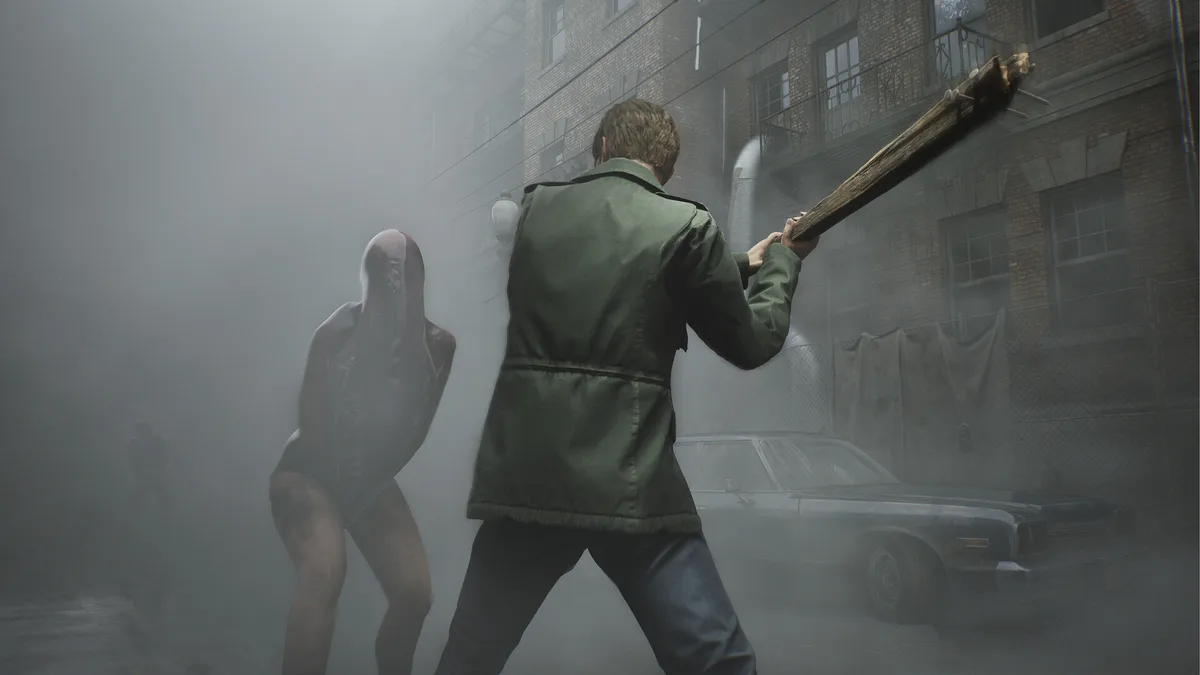
Official screenshot — Bloober Team (Steam)
The remake preserves the core plot while expanding environments, updating combat from tank controls to over-the-shoulder action, and rebuilding the town with Unreal Engine fidelity. It launched in October 2024 as a timed PlayStation 5 exclusive before expanding to PC and Xbox.
For SEO searches like "Silent Hill 2 remake review 2025" or "is Silent Hill 2 remake worth it," the short answer: yes for horror fans, with caveats for purists who reject any mechanical modernization.
Gameplay and Combat Overhaul
The original's awkward combat was intentional—James is an ordinary man, not an action hero. The remake shifts toward modern third-person combat with dodges, melee combos, firearm aiming, and limited resources.
Melee and Ranged Systems
James fights with pipes, knives, and firearms found throughout Silent Hill. Melee combos feel weighty; stamina limits spam. Firearms require deliberate aiming—headshots matter, ammo is scarce.
This approach divides fans. Purists argue awkward combat amplified vulnerability; modernists appreciate responsiveness that does not waste time. Bloober balances by keeping enemies threatening and ammo tight—careless aggression still punishes.
Dodge and Enemy Encounters
A dodge button adds skill expression without turning James into a superhero. Enemies like Lying Figures and Mannequins retain unsettling animations; new enemy additions expand bestiary variety in expanded areas.
Boss fights—especially iconic encounters with Pyramid Head—receive cinematic staging and multi-phase redesigns that honor original symbolism while leveraging modern animation.
Story, Characters, and Psychological Horror
Silent Hill 2's story remains gaming's gold standard for mature narrative horror. James searches for truth about Mary, meeting characters like Maria, Angela, and Laura—each reflecting guilt, abuse, and denial through monster metaphors and environmental storytelling.
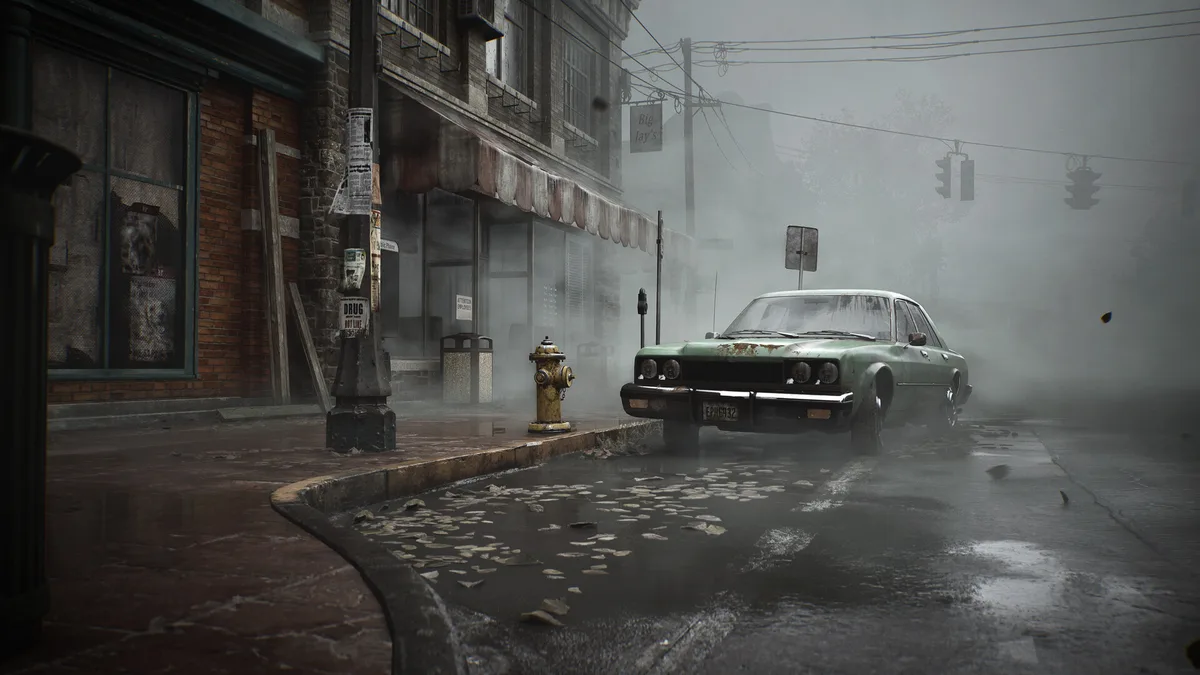
World and exploration — Bloober Team (Steam)
Narrative Fidelity and Changes
Bloober respects major plot beats and endings. Some dialogue and scene staging change; expanded Maria content generates debate among veterans. Newcomers experience a cohesive tragedy; veterans notice rearranged moments and additional context.
The remake's acting and facial animation elevate emotional scenes. James's grief feels palpable in close-ups—technology serving story rather than replacing it.
Symbolism and Monster Design
Monsters remain psychological mirrors. Nurses, abstract flesh constructs, and Pyramid Head symbolize repression, punishment, and inescapable guilt. Updated models are grotesque without becoming action-horror cannon fodder.
Radio static warns of nearby threats—a series hallmark preserved. The fog itself is a character, limiting visibility and amplifying dread.
Atmosphere, Sound, and Level Design
Silent Hill lives or dies on atmosphere. Bloober's art team rebuilt streets, apartments, hospitals, and lakeside paths with obsessive detail.
Fog, Lighting, and Audio
Fog density, rain, and dynamic lighting create claustrophobia. Akira Yamaoka's musical identity returns—industrial ambience, melancholic melodies, and silence used as weapons. Headphones are mandatory for full impact.
Sound design sells dread: distant footsteps, metallic scraping, muffled cries through walls. The Brookhaven Hospital sequence remains among horror gaming's finest level design achievements, modernized without losing disorientation.
Exploration and Expanded Areas
Some regions expand with additional rooms and side content. Exploration rewards document reading, map annotation, and puzzle items. Backtracking mirrors original structure—intentional pacing that horror fans accept but action players may resist.
Puzzles and Pacing
Puzzles update from obtuse pixel-hunting to environmental logic while retaining cerebral tone. Lock combinations, symbolic riddles, and inventory-based solutions pace tension between combat encounters.
Pacing is deliberate—Silent Hill 2 is not a sprint. Players seeking constant stimulation may struggle; horror aficionados appreciate slow-burn dread.
Performance and Technical Quality
On PS5, the remake targets stable performance with ray-traced modes on Pro hardware. PC version scales across GPUs with DLSS/FSR support; optimization improved through patches.
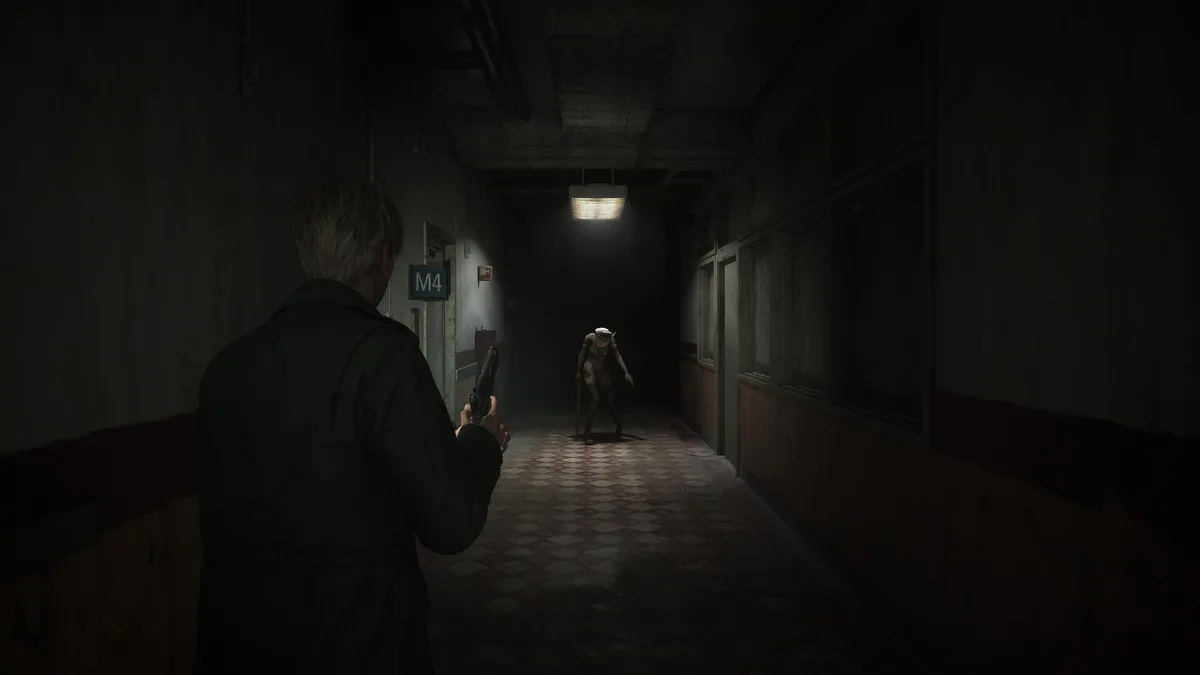
Systems and performance — Bloober Team (Steam)
Load times are minimal. Visual fidelity sets a new bar for horror remakes—textural detail on rust, blood, and decay is uncomfortably realistic.
Pros and Cons
Pros
- Masterful atmosphere and audio design
- Story and character drama remain powerful
- Stunning visual reconstruction of Silent Hill
- Modern combat improves accessibility for newcomers
- Boss encounters and monster symbolism preserved
- Multiple endings encourage replay
- Respectful treatment of a beloved classic
Cons
- Combat modernization alienates some purists
- Expanded content controversial among veterans
- Deliberate pacing feels slow to action-oriented players
- PC performance required patches at launch
- Timed exclusivity frustrated multi-platform players initially
- Some puzzles still frustrate without guide assistance
Who Should Play Silent Hill 2 Remake?
Play if you love psychological horror, narrative games, or want to experience gaming's most acclaimed horror story with modern production values.
Play the original instead if you demand historical authenticity and prefer tank controls as design intent.
Skip if you dislike slow horror, backtracking, or resource-scarce combat.
FAQ
Do I need to play Silent Hill 1 first?
No. Silent Hill 2 is a standalone story.
How long is the remake?
Main story takes 15–20 hours. Completion with side content and multiple endings reaches 25–30 hours.
Is Silent Hill 2 remake scary?
Yes—psychologically unsettling rather than constant jump scares. Mature themes include grief, illness, and abuse.
How many endings are there?
Multiple endings return from the original, influenced by player behavior and optional interactions throughout the campaign.
Is it on PC and Xbox now?
Yes, after the initial PS5 window. Verify platform availability in your store region.
Does the remake replace the original?
No. Both versions offer distinct experiences; many fans recommend playing both.
Verdict
Silent Hill 2 Remake is a courageous, mostly successful modernization of horror's narrative pinnacle. Bloober captures fog, guilt, and symbolism while accepting that mechanical updates will never satisfy everyone.
NexReview Score: 9/10
Horror fans should not miss this. Read our Clair Obscur Expedition 33 review for another story-driven 2025 standout with darker themes.
Score Breakdown
| Category | Score |
|---|---|
| Atmosphere | 10/10 |
| Story and writing | 9.5/10 |
| Sound design | 10/10 |
| Combat (modernized) | 7.5/10 |
| Faithfulness to original | 8/10 |
| Performance | 8.5/10 |
| Overall | 9/10 |
System Requirements Overview (PC)
| Component | Minimum | Recommended |
|---|---|---|
| GPU | GTX 1070 / RX 5700 | RTX 2070 / RX 6700 XT |
| CPU | Quad-Core | Six-Core |
| RAM | 16 GB | 16 GB |
| Storage | 50 GB SSD | 50 GB SSD |
Horror Remake Comparison
| Title | Approach | Combat | Story fidelity |
|---|---|---|---|
| Silent Hill 2 Remake | Full rebuild | Modern action | High with changes |
| Resident Evil 2 Remake | Reimagined | Modern action | High |
| Dead Space Remake | Faithful polish | Similar to original | Very high |
Silent Hill 2 Remake takes more creative risks than Dead Space's faithful approach—appropriate for a game about psychological ambiguity.
Character Analysis and Emotional Themes
James Sunderland remains one of gaming's most complex protagonists—a man motivated by guilt as much as love. The remake's performance capture lets subtle facial tells communicate denial before dialogue admits truth.
Maria embodies temptation and memory distortion. Her expanded scenes generate debate, but thematically she represents James's inability to accept Mary's illness and death. Interactions with Maria reward careful observation—dialogue choices influence relationship tone and ending eligibility.
Angela and Laura provide contrasting perspectives on trauma and innocence. Angela's arc is harrowing; the remake does not soften abuse themes. Laura's hostility toward James masks deeper narrative connections revealed late in the story. These characters elevate Silent Hill beyond monster fights into social horror.
Endings Overview (No Spoilers)
Multiple endings return, influenced by player behavior throughout the campaign: how often you heal, whether you examine specific objects, and how you interact with key characters. The remake tracks similar metrics to the original with modernized transparency—completion menus hint at missed conditions without explicit spoilers.
Replay value is high for horror fans seeking the full narrative picture. A second playthrough reveals foreshadowing invisible on first contact—environmental details, mirror reflections, and NPC dialogue gain tragic context.
Accessibility and Comfort Settings
Bloober includes difficulty adjustments, combat assists, and puzzle skip options for players who want the story without frustration. Horror intensity remains—this is not a casual walking simulator—but accessibility tools welcome newcomers intimidated by survival combat.
Photo mode and exploration modes added post-launch let players appreciate environmental artistry without combat pressure—ideal for content creators and atmosphere enthusiasts.
Why Silent Hill 2 Still Matters in 2025
Survival horror trends cycle between action-heavy shooters and indie retro throwbacks. Silent Hill 2 Remake proves psychological horror can command AAA budgets without sacrificing thematic maturity. For players searching "best horror game 2025" or "scariest story game," this remake belongs on shortlists alongside Alan Wake 2 and indie standouts.
Brookhaven Hospital and Iconic Set Pieces
Brookhaven Hospital remains the remake's centerpiece—a labyrinth of rust, flickering lights, and unreliable reality. Navigating its corridors teaches players that Silent Hill punishes map reliance. Locked doors, shifted layouts, and audio cues manipulate orientation intentionally.
Lakeview Hotel sequences later in the campaign deliver some of gaming's most discussed narrative twists. The remake preserves psychological impact while updating presentation for modern audiences. First-time players should avoid spoilers religiously—this story loses power when twists are known.
Pyramid Head encounters blend horror and combat tension. The remake stages these meetings with cinematic weight without turning James into an action superhero. Respect for original intent keeps Pyramid Head terrifying rather than meme fodder.
Audio Design Deep Dive
Akira Yamaoka's score defines Silent Hill's identity. Industrial percussion, melancholic piano, and radio static create unease without constant stingers. The remake remixes classic themes respectfully—veterans recognize motifs while newcomers experience fresh arrangements.
3D audio positioning matters in headphones. Footsteps behind walls, distant sirens, and monster vocalizations use spatial cues to manipulate anxiety. Playing on TV speakers works; playing with quality headphones is transformative.
Is the Remake Worth It Over the Original?
Veterans debate whether modernization diminishes intentional friction. The remake's answer: accessibility broadens audience without erasing psychological core. Original fans gain updated visuals and voice acting; newcomers avoid tank controls that aged poorly for mainstream players.
Both versions coexist—choose original for historical experience, remake for contemporary presentation. NexReview recommends newcomers start with the remake, then explore the 2001 classic to appreciate design evolution.
Silent Hill 2 Remake succeeds because it understands horror is not about kill counts—it is about what characters refuse to face. That design philosophy remains timeless.
Final Recommendation
Walk into Silent Hill with patience and headphones. James Sunderland's journey is not about fun—it is about confronting what we bury. Bloober's remake ensures that confrontation looks and sounds devastating in 2025.
Bottom line: The fog still hides truth. This remake lets you see the pain more clearly than ever—and that is exactly the point.