Pros
- A19 Pro plus vapor chamber delivers sustained gaming and export workloads without the old hotspot throttling
- 48MP triple stack with 4x and 8x optical telephoto — strongest zoom flexibility Apple has shipped on the small Pro
- ProRes RAW, Apple Log 2, and genlock move serious video off a mirrorless body for B-roll
- 256GB base storage softens the $100 MSRP bump vs iPhone 16 Pro
- Center Stage 18MP front camera finally makes group selfies predictable
Cons
- $1,099 list price and Apple has discontinued direct sales after iPhone 18 Pro — refurbs dictate value
- 8x telephoto is softer in dim light than 4x; night zoom still trails best Android periscopes
- Apple Intelligence still feels incremental vs camera and thermal leaps
- Aluminum unibody trades titanium flex for weight — scratches show on Cosmic Orange
- No USB 3 speeds on the Pro (same 10 Gbps story as prior generations)
A thorough iPhone 17 Pro review in November 2026 is not really about launch-week hype anymore. Apple has already replaced the phone with iPhone 18 Pro, which means new buyers are choosing between carrier promos on the latest SKU, refurbished 17 Pro stock, or holding an iPhone 15/16 Pro and asking whether the redesign was the right jump. The Apple iPhone 17 Pro remains one of the most consequential small flagships of the past cycle: aluminum-and-Ceramic-Shield unibody, internal vapor chamber, A19 Pro with 12GB RAM, and the first all-48MP rear trio with both 4× and 8× optical-quality telephoto paths.
This iphone 17 pro review walks through what changed from iPhone 16 Pro, how it compares to Google Pixel 10 Pro in the same 6.3-inch class (see also iPhone 17 vs Pixel 10), and who should hunt deals now that MSRP is history. Specs and launch pricing align with Apple’s September 2025 materials; street pricing is noted as of November 2026 and will move with inventory.
iPhone Pro-class handset (16 Pro Max reference) — Wikimedia Commons
iPhone 17 Pro Review at a Glance
| Question | Short answer (Nov 2026) |
|---|---|
| Launch date | September 19, 2025 (preorders Sept 12) |
| Current Apple Store status | Discontinued after iPhone 18 Pro; buy refurbs, carriers, or secondhand |
| Starting launch MSRP | $1,099 U.S. (256GB minimum — no 128GB Pro) |
| Typical street price | Roughly $750–$1,090 depending on storage and wear (confirm live) |
| Display | 6.3-inch Super Retina XDR OLED, 2622 × 1206, ProMotion 120Hz, Ceramic Shield 2 |
| Chip | A19 Pro (6-core CPU, 6-core GPU with per-core Neural Accelerators, 16-core Neural Engine, 12GB RAM) |
| Rear cameras | 48MP Main (ƒ/1.78), 48MP Ultra Wide (ƒ/2.2), 48MP Telephoto (4× and 8× optical-quality zoom) |
| Front camera | 18MP Center Stage (ƒ/1.9) with auto framing |
| Battery (Apple video metric) | Up to 33 hours video playback (Pro); charging 50% in ~20 min with 40W-class adapter |
| Standout Pro video | ProRes RAW, Apple Log 2, genlock support |
| Finishes | Cosmic Orange, Deep Blue, Silver |
| NexReview score | 9.0/10 — generational thermal and camera jump; value depends on deal |
Editorial stance: The iPhone 17 Pro is the cycle where Apple fixed Pro thermals and telephoto range without forcing everyone into a Pro Max. If you already bought iPhone 18 Pro, skip backward. If you want a compact iPhone with the best video stack under $900 used, the 17 Pro still earns a hard look.
What the iPhone 17 Pro Is (and Is Not)
The iPhone 17 Pro is Apple’s premium 6.3-inch phone for 2025–2026 — the sibling to iPhone 17 Pro Max (6.9 inches, larger battery) and the lighter iPhone Air tier that targets thickness-first buyers. It is not the $799 iPhone 17 non-Pro: that model shares the A19 generation but lacks the vapor-cooled unibody, the full 48MP triple fusion stack, Pro video codecs, and the telephoto reach that define this review.
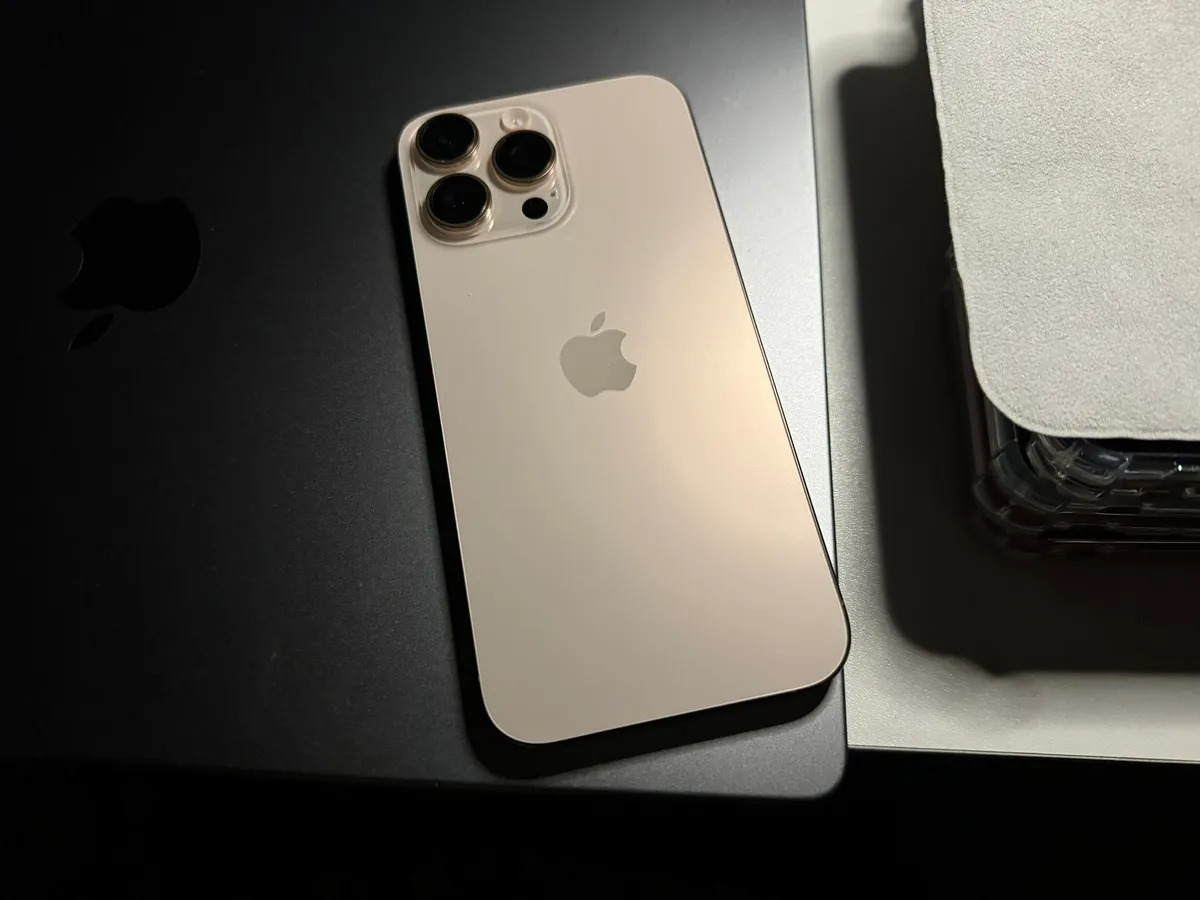
Apple repositioned materials: titanium is gone, replaced by a 7000-series aluminum unibody laser-welded to an Apple-designed vapor chamber. Ceramic Shield 2 covers both display and back glass for the first time on Pro, with marketing claims of 3× better scratch resistance vs prior Ceramic Shield. The camera plateau now spans the upper rear — polarizing visually, but it packages sensors and helps the phone sit flatter on a desk when you shoot tabletop product video.
For ecosystem buyers, iPhone 17 Pro runs iOS 26 in late 2026 (upgrade path continues through Apple’s typical multi-year window). Pairing AirPods Pro 2 still delivers the lowest-latency Apple audio stack; green bubbles remain if your contacts are on Android — a social tax, not a hardware flaw.
Design, Colors, and In-Hand Feel
Cosmic Orange is the conversation starter. The two-tone look — deeper orange on the metal frame vs a lighter rear Ceramic Shield panel — reads intentional rather than accidental. Deep Blue skews conservative for boardrooms; Silver is the safe resale color. All three show the new contoured edge that softens the old flat-rail dig into palms.
Weight lands around 206 g — lighter than titanium 16 Pro for many units, but not “Air light.” The wide camera plateau prevents the main lenses from rocking on a table, which sounds trivial until you shoot overhead recipe clips. Drop protection improved in Apple’s lab narrative; real-world sidewalk tests still end at case shops. If you hate camera bumps philosophically, the Pixel bar or Samsung island may feel cleaner, though neither ships Apple’s genlock story.
Durability watch-outs: Orange anodization can reveal wear at corners after months without a case. Ceramic Shield 2 reduces micro-scratches on glass; it does not make the phone invincible. AppleCare+ remains the rational choice if you hand the phone to kids or film in rain.
Display: Same Size, Better Glare Fighting
On paper the panel repeats 6.3 inches and 2622 × 1206 resolution (~460 ppi) with ProMotion 1–120 Hz, HDR, and Always-On. The meaningful upgrade is anti-reflective coating combined with Ceramic Shield 2 — outdoor trailer viewing and EV dashboard mounts show less mirror-like glare than iPhone 16 Pro in side-by-side checks from launch reviews.
Brightness holds up in NexReview’s buying guide: HDR content in the ~1,500 nit class on lab meters, with headroom for sunlight UI legibility. Color accuracy stays Apple-conservative — excellent for creators who color-grade on phone before export, less neon than some Samsung Vivid presets. If you consume mostly Netflix in bed, the base iPhone 17 panel is “good enough”; if you edit Log 2 footage on-device, the Pro coating is worth the step-up.
A19 Pro, RAM, and Vapor-Chamber Thermals
A19 Pro is the headline silicon: 6-core CPU (2 performance, 4 efficiency), 6-core GPU with Neural Accelerators in each core, larger caches, and 12GB RAM — finally erasing the 8GB bottleneck that made on-device LLM tasks feel cramped on iPhone 16 Pro. Apple pairs the chip with a vapor chamber welded into the aluminum unibody, claiming up to 40% better sustained performance vs the previous generation.
In practice that shows up as:
- AAA mobile gaming (ray-traced titles like launch-window ports) holding frame rates longer before dimming
- 4K ProRes export from iMovie or third-party editors without the old “hot corner” throttling pattern
- Apple Intelligence workloads (on-device summarization, image cleanup) competing for RAM with camera pipelines — 12GB makes multitasking less brittle
Geekbench and 3DMark deltas vs iPhone 16 Pro are large on paper; day-to-day social scrolling feels identical. The win is sustained work — exactly what Pro buyers claim they do. Against Pixel 10 Pro Tensor G5, Apple still wins single-core and GPU endurance; Pixel wins some still-AI camera moments and costs less MSRP when new.

Long-exposure smartphone photography — Wikimedia Commons
Camera System: 48MP Trio and the 8× Trade-off
All three rear cameras hit 48MP for the first time on Pro:
| Lens | Role | Practical notes |
|---|---|---|
| Main Fusion | Daily photos, Night mode | ƒ/1.78, Photonic Engine noise reduction |
| Ultra Wide | 0.5× landscapes, macros | ƒ/2.2; improved detail vs 12MP era |
| Telephoto Fusion | 4× (≈100mm) and 8× (≈200mm) | Longest optical-quality zoom Apple has put on iPhone |
Apple markets “eight lens equivalents” by fusing focal lengths — fine for marketing decks, but buyers should memorize 4× as the reliable default and 8× as the reach button when you have light. Reviewers consistently report 8× softening and noise in low light compared with 4×; night zoo shots still lose to Samsung’s periscope class and some Pixel stacking tricks, even after Photonic Engine tuning.
Center Stage 18MP front camera is underrated: group selfies keep faces in frame when people lean in, and desk-mounted video calls crop intelligently. If you produce TikTok talking-head clips, this front sensor reduces retake friction more than another rear megapixel would.
Still photo verdict: Skin tones and shutter lag remain Apple strengths. Action shots of kids indoors still favor burst discipline over Pixel’s “magic” frame picks. Telephoto reach finally lets a small Pro credibly shoot sidelines without borrowing a Pro Max from a friend.
Video: Where the iPhone 17 Pro Pulls Ahead
Photo parity with Android flagships is debated every year; video is where iPhone 17 Pro still justifies Pro pricing for creators:
- ProRes RAW for grading latitude in Final Cut and DaVinci pipelines
- Apple Log 2 for HDR workflows without blown highlights on skin
- Genlock alignment for multi-cam shoots with external recorders
- 4K across all rear sensors with consistent exposure ramps when panning
Run-and-gun vloggers may never toggle Log profiles; wedding second shooters and indie filmmakers do. If you only upload H.264 to Instagram, a used iPhone 15 Pro still works — but the thermal headroom on 17 Pro means longer clips before frame drops. Audio through built-in mics improved modestly generation-over-generation; serious work still routes through USB-C interfaces or wireless lavs.
Battery Life and Charging
Apple quotes up to 33 hours video playback on iPhone 17 Pro (39 hours on Pro Max). Real mixed-use days — navigation, 5G, camera, 120Hz — land closer to full-day-plus with light evening top-up for heavy creators. That is roughly 1–2 hours better than iPhone 16 Pro in third-party drain tests, aligned with Apple’s “biggest leap” marketing if not literally six hours for everyone.
Charging hits 50% in about 20 minutes with a high-watt USB-C brick (Apple positions ~40W class). MagSafe/Qi2 up to 25W keeps desk pads relevant. eSIM-only variants in some regions pack slightly larger cells — worth confirming SKU if battery is your only upgrade reason.
Compared with Pixel 10 Pro’s honest “midday top-up” reality in our Pixel review, iPhone 17 Pro is more forgiving on travel days. Compared with Pro Max, it is still smaller battery physics — do not expect Max endurance in a 6.3-inch hand.
Software, Apple Intelligence, and Longevity
iOS 26 in late 2026 continues rolling Apple Intelligence features: cleanup tools, notification summarization, Writing Tools, and Siri paths that lean on Private Cloud Compute for harder queries. NexReview’s knock is unchanged from launch coverage: the camera and thermal story outran the AI story. If you upgrade solely for on-device AI, you may feel underwhelmed versus Google's Gemini-forward Pixel UX — but if you need stable video codecs and five years of security patches, iPhone still leads trust metrics for many US buyers.
Encryption, App Store policy, and satellite messaging (region-dependent) remain ecosystem reasons unrelated to megapixels. Business users on Microsoft 365 or Google Workspace still live comfortably on iOS; the 17 Pro is hardware insurance for that software choice.
iPhone 17 Pro vs Pixel 10 Pro vs Galaxy Class
| Topic | iPhone 17 Pro | Pixel 10 Pro | Notes |
|---|---|---|---|
| Launch MSRP (base) | $1,099 (256GB) | $999 (128GB) | Pixel undercuts when both were new |
| Telephoto | 4× / 8× optical-quality | 5× optical | Pixel simpler; Apple wider range |
| Video tooling | ProRes RAW, Log 2, genlock | Strong HDR, lighter pro codecs | Creators pick iPhone for edit pipelines |
| On-device AI | Apple Intelligence | Gemini-native | Preference, not raw speed |
| Charging | Faster wired + 25W MagSafe | 30W wired, Qi2 Pixelsnap | Neither class-leading vs Chinese 100W phones |
| Resale | Strong | Good | iPhone historically holds value |
For a deep lineup split, read iPhone 17 vs Pixel 10. Samsung Galaxy S25 Ultra still wins stylus and zoom culture if you live inside One UI — different buyer.
Who Should Buy (and Who Should Skip)
Buy or hunt deals if:
- You shoot vertical video, weddings, or YouTube B-roll and want Log/ProRes without a second camera body
- You want 6.3-inch reach with 8× telephoto — not a Max phablet
- You are on iPhone 14 Pro or older and feel thermal throttling or 48MP main limits in low light
- Refurb/open-box pricing lands well under $950 with warranty
Skip if:
- You already own iPhone 18 Pro or 17 Pro Max with similar codecs
- iPhone 16 Pro meets your needs and you can redirect savings to storage or AirPods Pro 2
- You prioritize still-photo night zoom over video — shop Android periscope flagships
- USB 3 or sideloading flexibility matters more than iOS polish
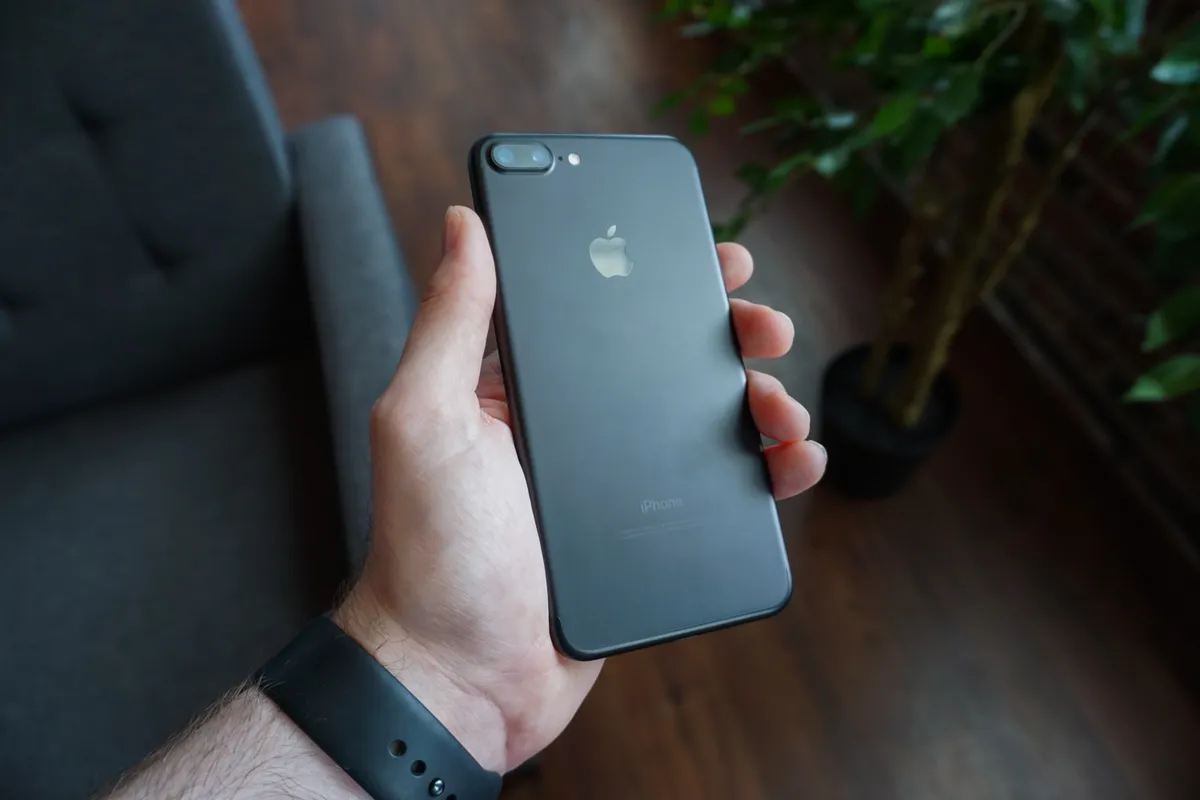
Smartphone in hand — Wikimedia Commons (Unsplash)
Pricing and Where to Shop in November 2026
Apple’s direct store no longer lists new iPhone 17 Pro units; inventory lives in carrier promotions, Apple Refurbished (when batches appear), Big-box open-box, and marketplaces like Swappa where 256GB units often cluster around $1,000 average with occasional $750 outliers for higher-wear listings. Treat sub-$700 offers as cosmetic or battery-health lottery until you verify cycles.
Storage stair-steps at launch were $1,099 / 256GB, $1,299 / 512GB, $1,499 / 1TB U.S. — confirm regional tax. The $100 increase vs iPhone 16 Pro stung at launch, but doubling base storage dulls the pain versus paying Apple’s old $200 jump from 128GB to 256GB.
Trade-in tip: iPhone 18 Pro launch depressed 17 Pro asks — good for buyers, annoying for launch-week upgraders. If you trade through Apple, read variable quotes before walking into a store.
FAQ
Is the iPhone 17 Pro still worth buying in late 2026?
Yes, if price reflects discontinuation. For mobile video and thermals, it remains a top-tier compact phone. If you want the longest official support window and latest modem, iPhone 18 Pro is the forward-looking buy — at a premium.
How does this iPhone 17 Pro review score compare to Pixel 10 Pro?
We rate iPhone 17 Pro 9.0 overall vs Pixel 10 Pro 8.7 — Apple wins sustained performance and pro video; Pixel wins still-AI convenience and often MSRP when both sold new. Photography taste decides many ties.
Did Apple raise the price?
Launch MSRP moved to $1,099, up $100 vs iPhone 16 Pro, but 256GB is now the entry tier instead of 128GB. Net storage value improved even if sticker shock did not.
Is 8× zoom actually useful?
In daylight and stadium seats, yes. At night, drop to 4× or Main crop. It is not a low-light periscope replacement.
Does iPhone 17 Pro overheat while gaming?
Vapor chamber spreads heat; phones still get warm. The difference is fewer sudden frame-rate cliffs compared with iPhone 16 Pro under identical ray-traced loads.
What changed from titanium on iPhone 16 Pro?
Apple moved to aluminum unibody plus vapor chamber. Lighter feel for some SKUs, different scratch personality on colored frames, same premium rigidity in hand.
Can I use USB-C accessories for video?
USB-C is 10 Gbps on Pro — fine for many SSDs and audio interfaces, not the 40 Gbps Pro Max tier dreamers wanted. Plan hubs accordingly.
iPhone 17 Pro vs iPhone 17 Pro Max?
Same cameras and chip class; Max adds screen size and battery (39-hour video metric). Buy Max if endurance beats pocketability; buy Pro if one-hand use matters.
Should iPhone 16 Pro owners upgrade?
If you shoot long ProRes sessions or hit thermal limits, yes. If you mostly message and shoot occasional portraits, wait for a compelling trade-in promo on iPhone 18 generation instead.
Where does Apple Intelligence stand on iPhone 17 Pro?
Functional and growing, but not the reason we scored thermals and cameras higher. Evaluate on your must-have AI features list before paying Pro tax solely for Siri upgrades.
Bottom line: The iPhone 17 Pro review story for 2026 is a tooling-and-thermals chapter more than an AI revolution. Apple finally gave the small Pro real telephoto reach and filmmaking hooks while fixing sustained performance. Discontinuation pushes smart buyers toward verified used pricing — under the right deal, it is still the compact iPhone we recommend for creators who live in iOS and export daily. For cross-platform shoppers, start with Pixel 10 Pro and iPhone 17 vs Pixel 10 before you commit.